My CYPRUS
The story of a symbol for the 50 anniversary of the Turkish invasion in Cyprus.
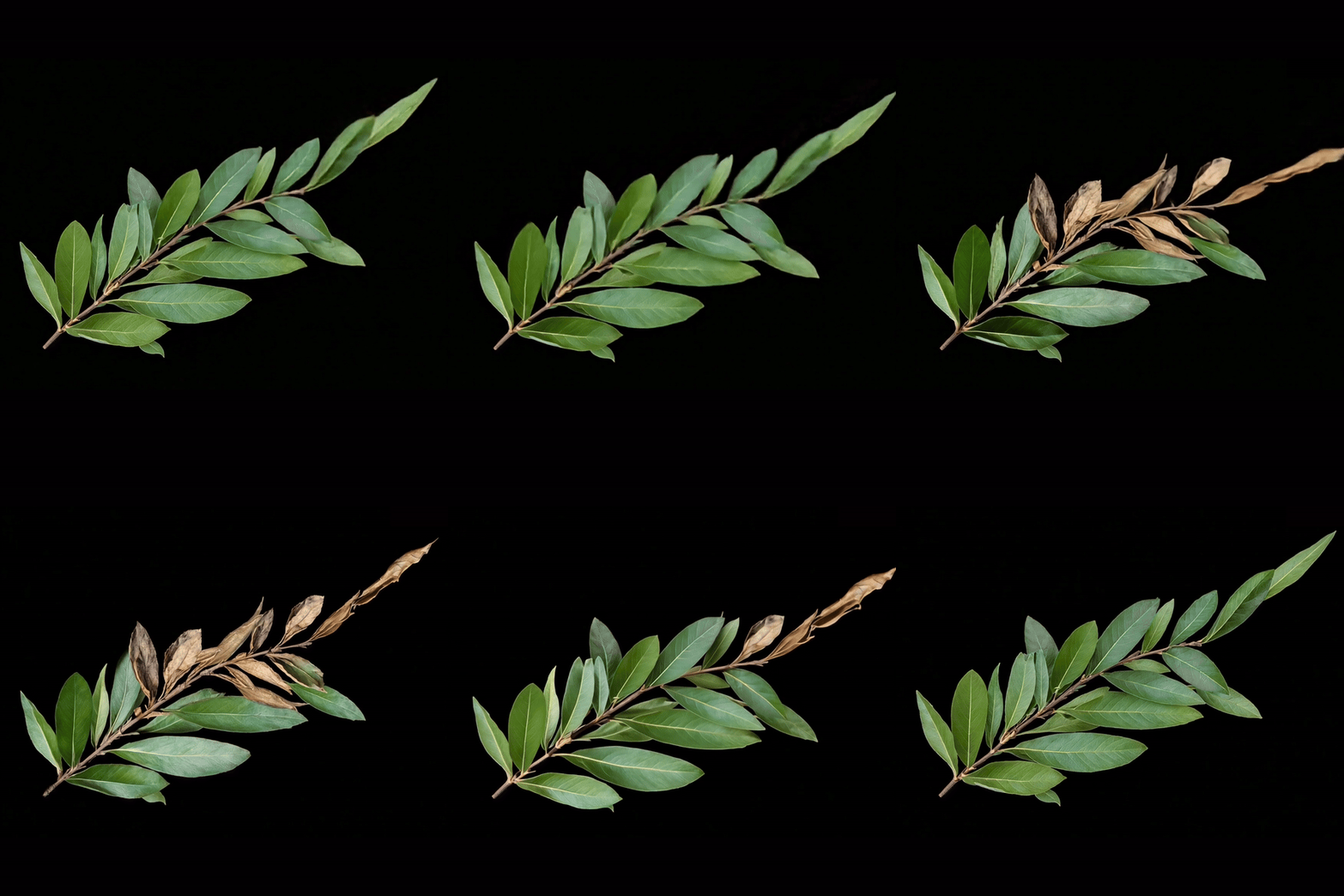
A few weeks ago, I received a message from my friend Giorgos Larkos, advisor to government spokesperson Konstantinos Letymbiotis. He invited me to participate in a discussion about what we could do to visually commemorate the 50th anniversary of the 1974 invasion.
Our initial thought was simply to use a black avatar on all our social media accounts. This day is a memorial - a death that still hurts deeply. It's ongoing and linked to a series of mistakes and a fraternal betrayal. How can one express this? What can you describe, and to whom? How do you face the bereaved? How can you understand the longing of someone who wants to return to their home? What do you say to those still dealing with illnesses and syndromes from the tragedy? How do you find the courage? And how do you not feel audacious for wanting to say anything at all?
Yet silence and refusing to face the challenge is another defeat. It's accepting that time has beaten you. And then, how can you refuse to help when your country calls? How can you say "I don't want to get involved" like Kostas Voutsas in that old movie "The Penniless Onassis"...
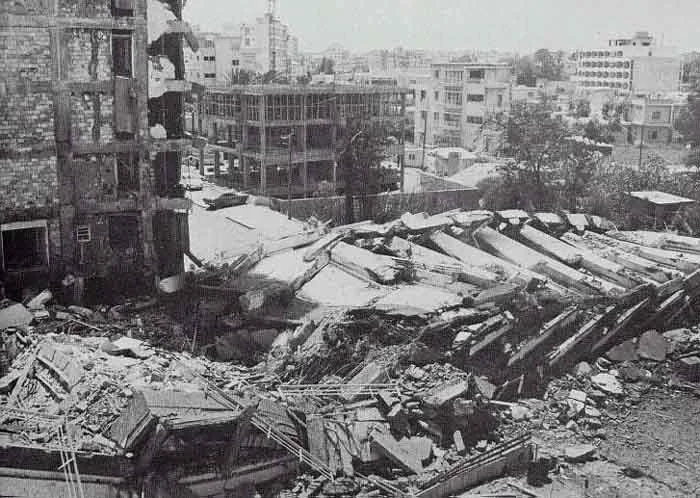
Famagusta bombing, 1974.
I was 7 when the invasion happened. Miles away, safe in Athens, I'll never forget the fear I felt. What must it have been like for those on the island? For decades, I had decided never to visit Cyprus. It was a dark place in my mind. Then, 35 years after the tragic war, I was invited to a conference. I fell in love with the island. It was still a symbol of tragedy, but also a beautiful, sunny place where kind, strong people are still here, struggling for their lives.
I made Cyprus my home in 2016, and now I was asked to create something for the most difficult day of my new homeland. My wife Vera and I started brainstorming. We even talked with ClaudeAI and ChatGPT. We favored ideas related to nature. Anything involving the number 50 seemed inconceivable and perhaps meaningless. We humans judge time in relation to our lives, but nature and history are above these.
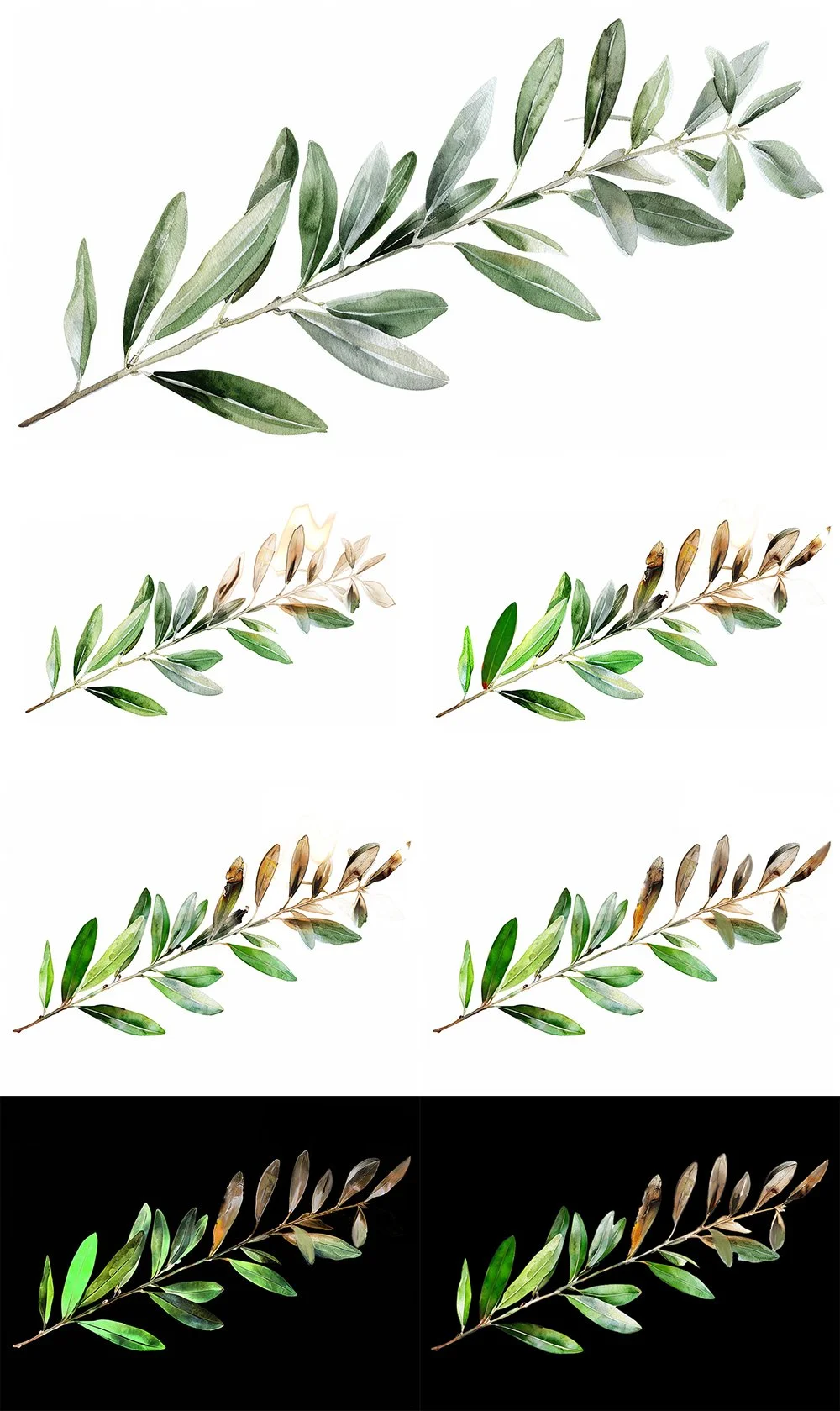
Searching for the perfect olive branch. Sketches and GenAI renders.
So I returned to the idea of a leaf. Not just because of Theodorakis's song, but because Cyprus is truly that for us. It's the white rocks against the endless blue. It's the green of olive trees, cypresses, vineyards, taro, and, of course, the banana trees of our Paphos.
The first thought was an olive or laurel leaf, or something indistinctly in between, withered, burned, or diseased in some part. You can see some initial concepts here. What could be the problem? Fire? Time that withered the leaf? The olive fruit fly?
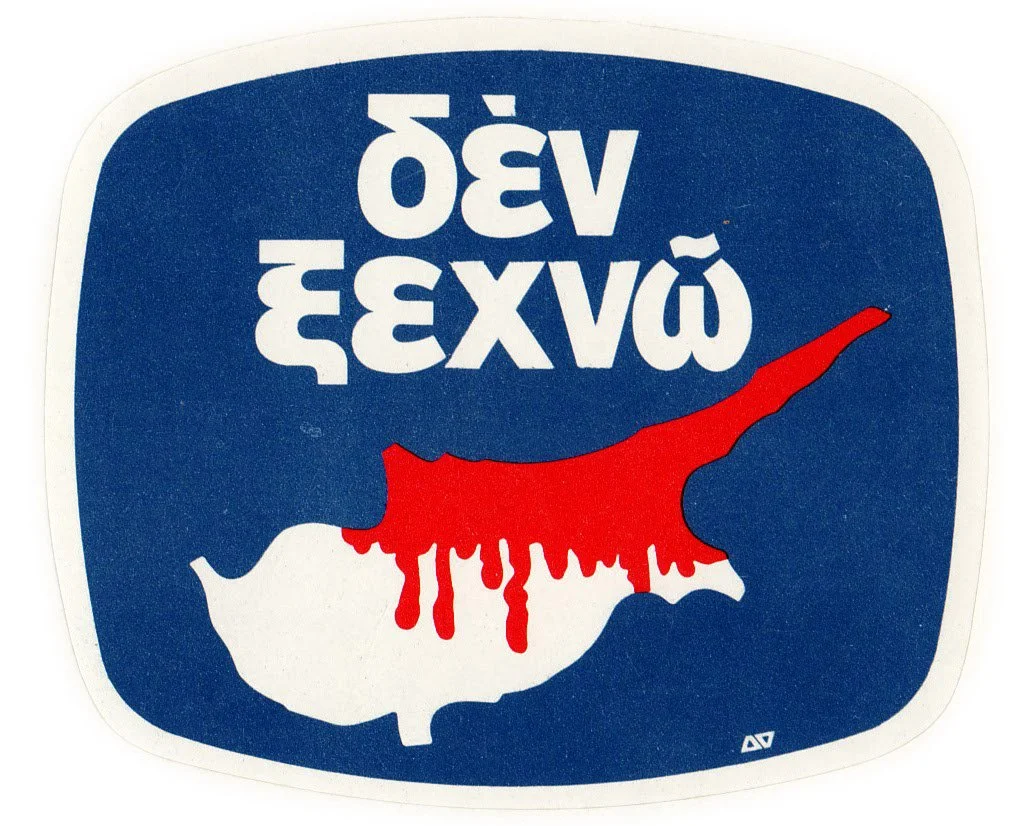
The next day, the "eureka" moment came. I thought about how the most well-known, most used graphic ever created was Nikos Dimou's "I Don't Forget" from 1974.
My olive leaf would have to take the shape of the island. I would borrow, or as some other creators say, pay homage to Nikos Dimou. But my map would be metaphorical, and the blood would be a natural state. I would represent the 50 years as the passage of time at some point.
I created a collage of leaves in Adobe Photoshop and then passed them as a guide to Stable Diffusion to make them more natural. From the many different ones, I chose the one that seemed best and made some corrections back in Photoshop.
I sent it the next morning to the WhatsApp group with Konstantinos, Giorgos, and Yiota, the small presidential team working on communication. I was incredibly anxious about how they would react. But within minutes, I received enthusiastic messages.
Just as I was ready to celebrate, concern set in. A symbol created by Nikos Dimou "Jr.", or anyone else for themselves, might be fine. A symbol for a government, and above all for the official image of a country, is NOT the same. The Ministry of Foreign Affairs and diplomats, although appreciating the work, had to face the obvious concern about the static nature of the work. Have we accepted this situation? Is it a given and we're just mourning?
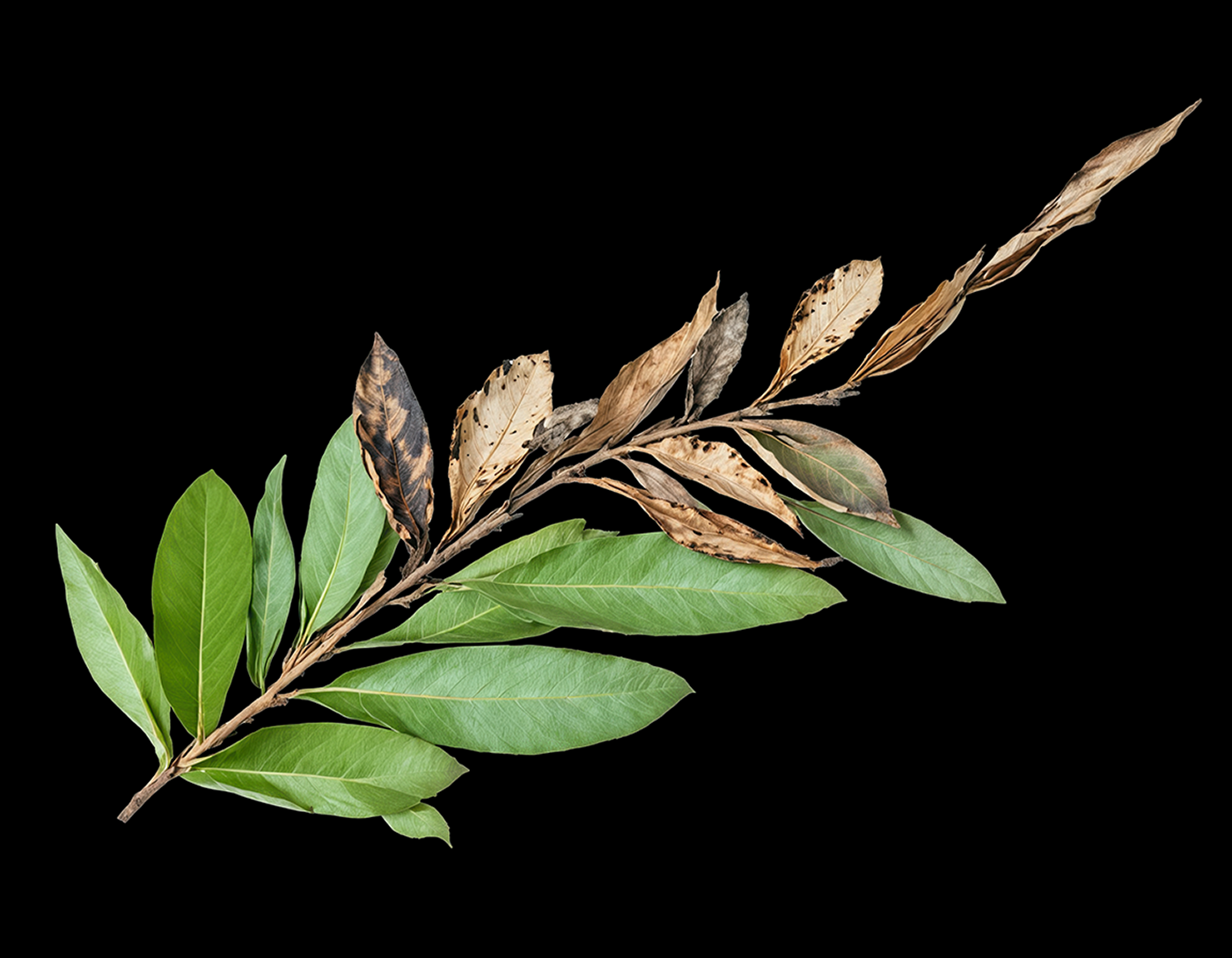
A creator who loves his work is saddened when it's not approved. But a creator who doesn't listen to valid criticism is simply a narcissist. These people were right. There were many reasons why this division had to be overcome. So we thought about time. I remember our phone calls, the concern, the uncertainty... As much as it saddened me, I understood they were right. I even thought it was like insulting the entire north of the island. I didn't find this right at all.
Instead, my wife found the solution while reading about the olive tree's self-healing properties. The tree can be wounded and regenerate.
This is what I learned from my mother and father. In a conversation with us, my father said the work is very good, but it takes great courage for a president or a foreign minister to adopt it. Their job is not just to express emotions but to be practically useful. To bring results.
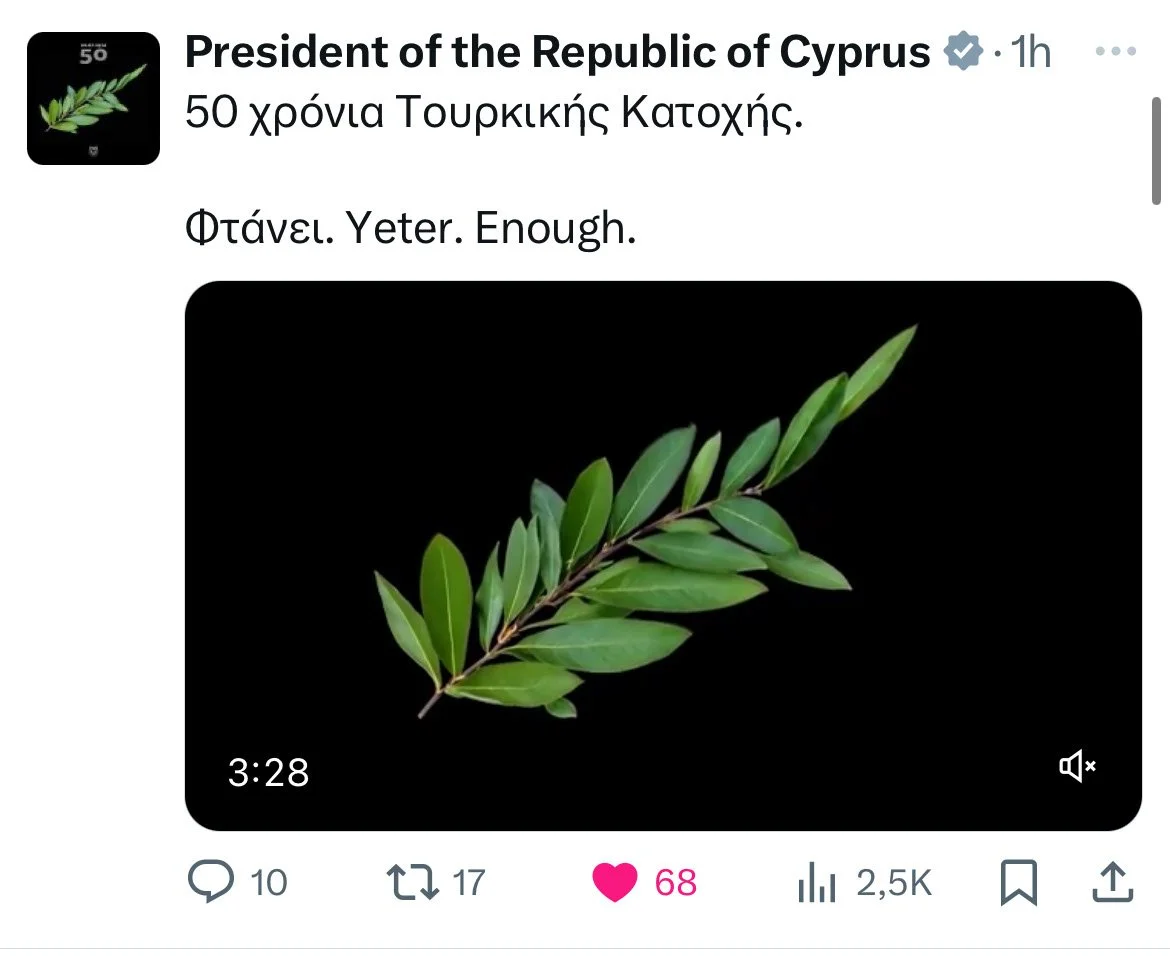
So the solution was simple. Vera and Giorgos suggested it too. We wouldn't have static work. We would bring in the 4th dimension of time. The leaf would get sick and be reborn. It would rise again. It would turn green again.
We turned to our computers and tried various tools. LumaAI, KreaAI, RunwayML, and from each, we could get some interesting seconds. Finally, Vera composed the final video from 5 different pieces in Adobe After Effects.
As for the static image? It would be nothing but the whole healthy leaf. No, we don't forget. But we don't accept it as a fait accompli. The effort is here and is always ahead of us. And if our life is finite, nature's and history's are not.
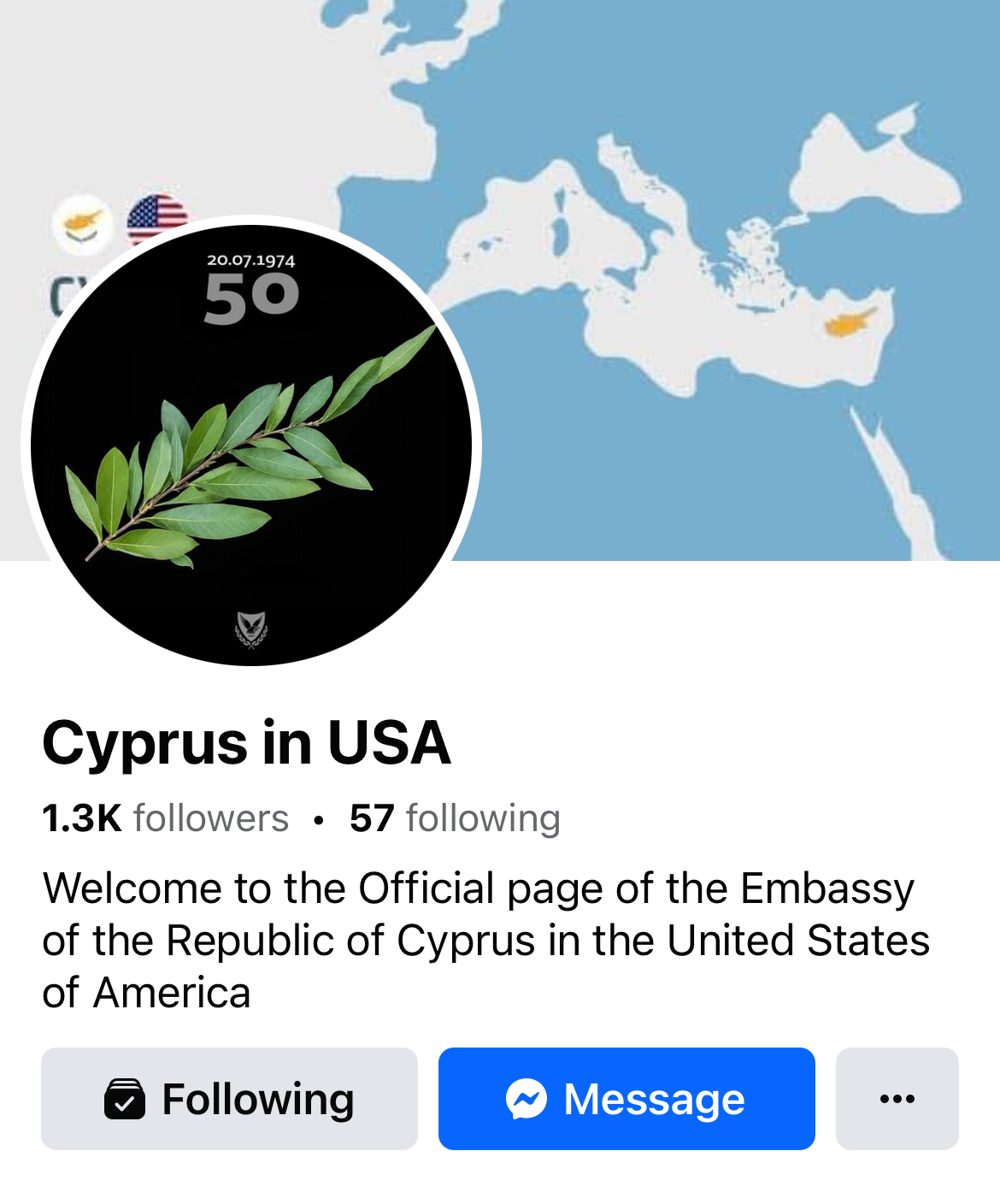
From our leaf, a series of derivatives were born through the efforts of Konstantinos's team at the presidential office and with the help of the Ministry of Foreign Affairs, RIK, and many more people whom I'm afraid I'll forget. On Saturday at 5 am, we started the anniversary with all of this, at symbolic hours and moments. The evening ceremony at the Presidential Palace was the culmination.
Vera and I got into our car in Anarita to go to Nicosia, heavy-hearted. We were going to a funeral. Not a memorial. A funeral. Because this death is continuous. How and why should you go to a ceremony for the anniversary of a defeat? How can you put yourself to sit next to bereaved people who are still in pain? How can you, a citizen of the Republic of Cyprus for only 8 years, have the audacity to sit next to people who weren't just afraid in Athens, miles away?
And how do you live with that paradox? To be happy that your work, your thoughts, and your images were everywhere at this event, but it's all about a tragedy?
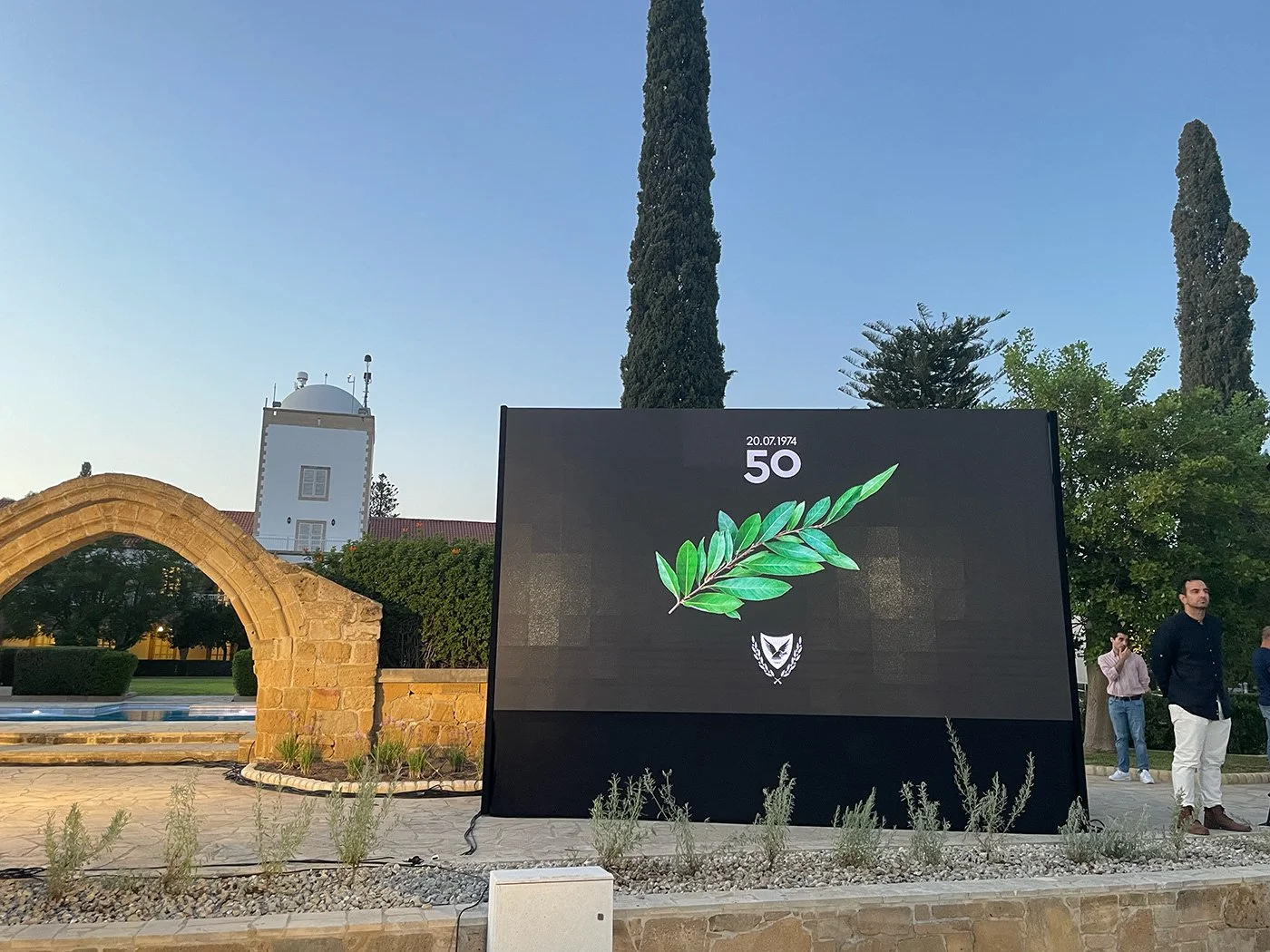
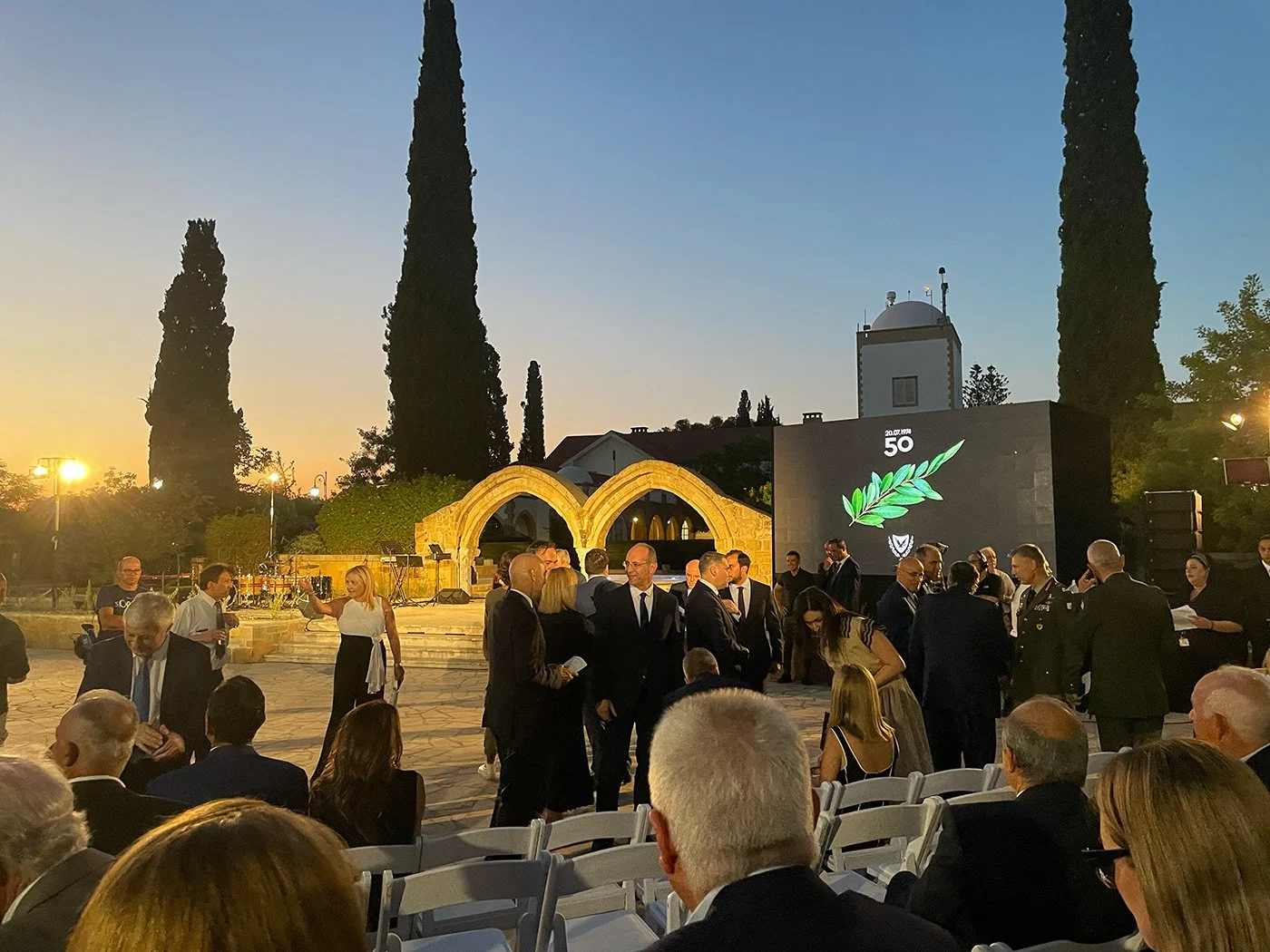
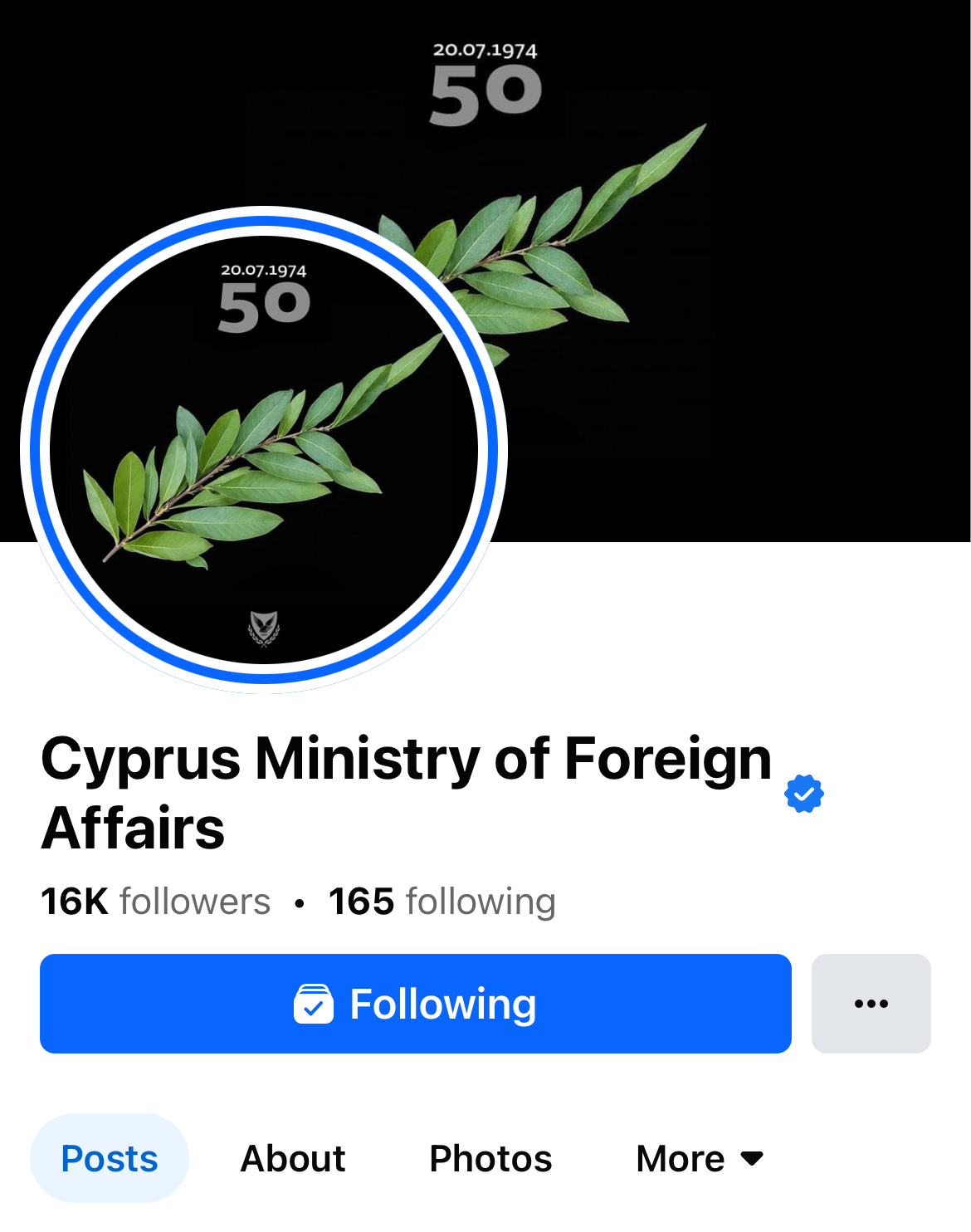
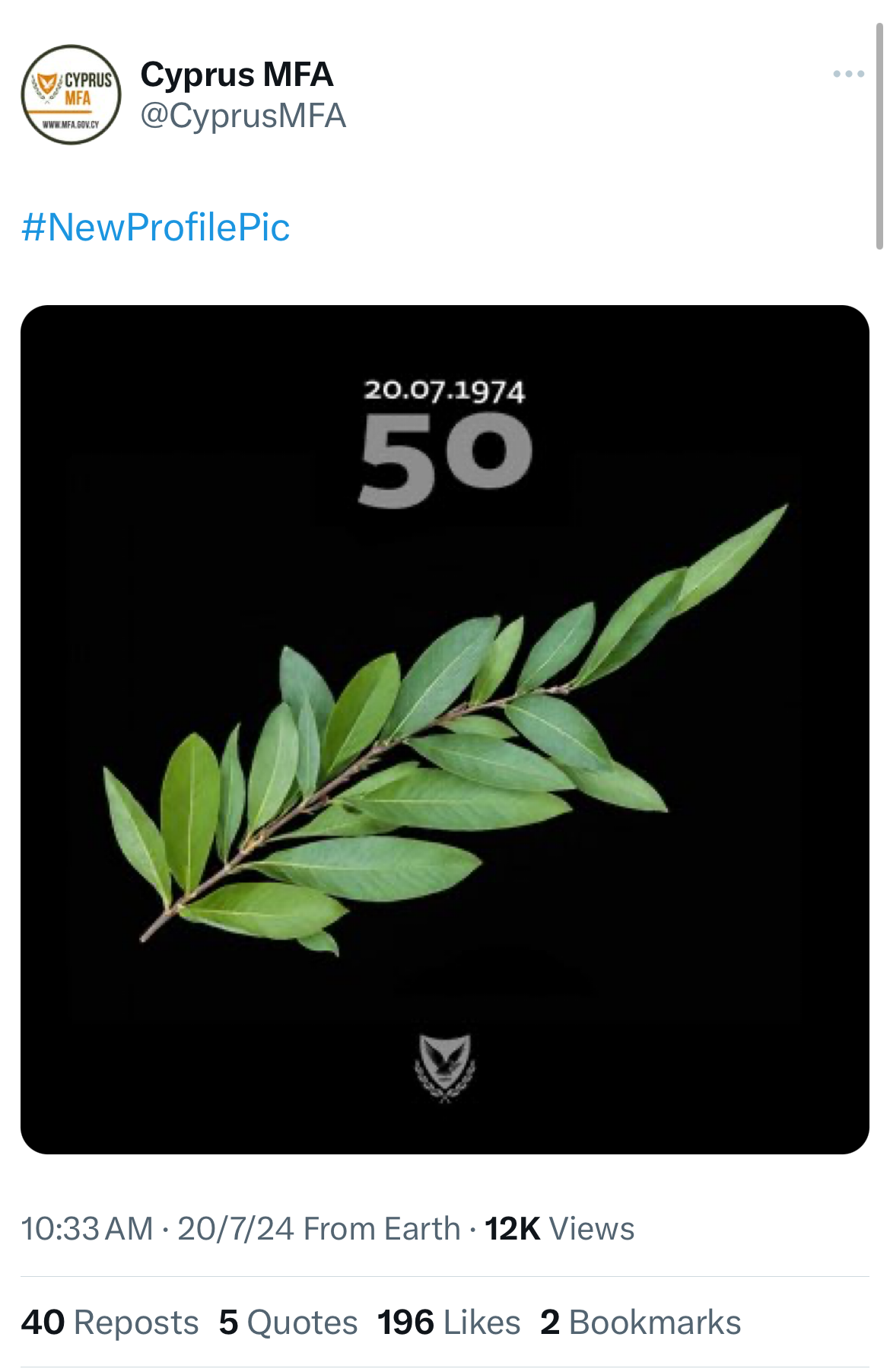
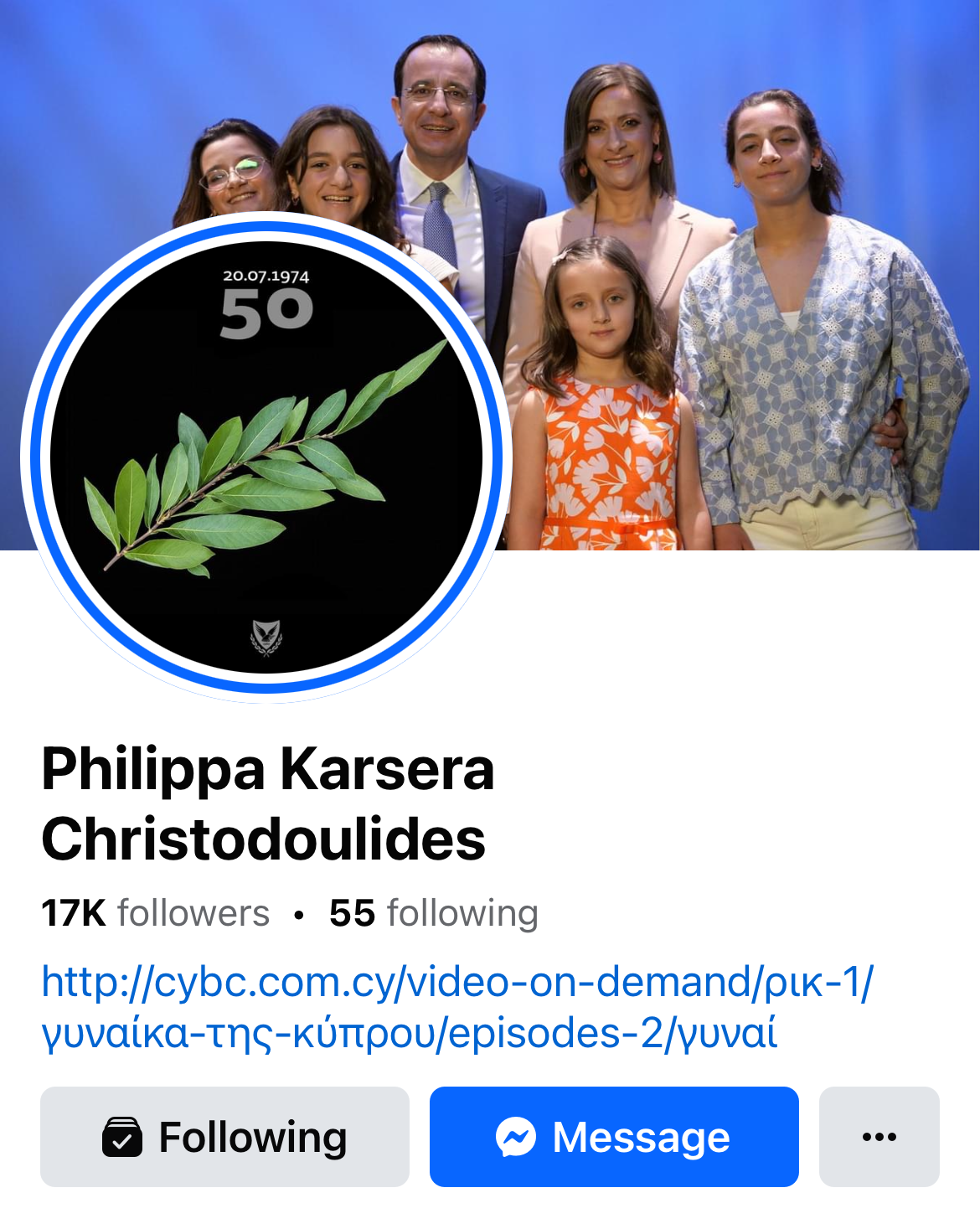
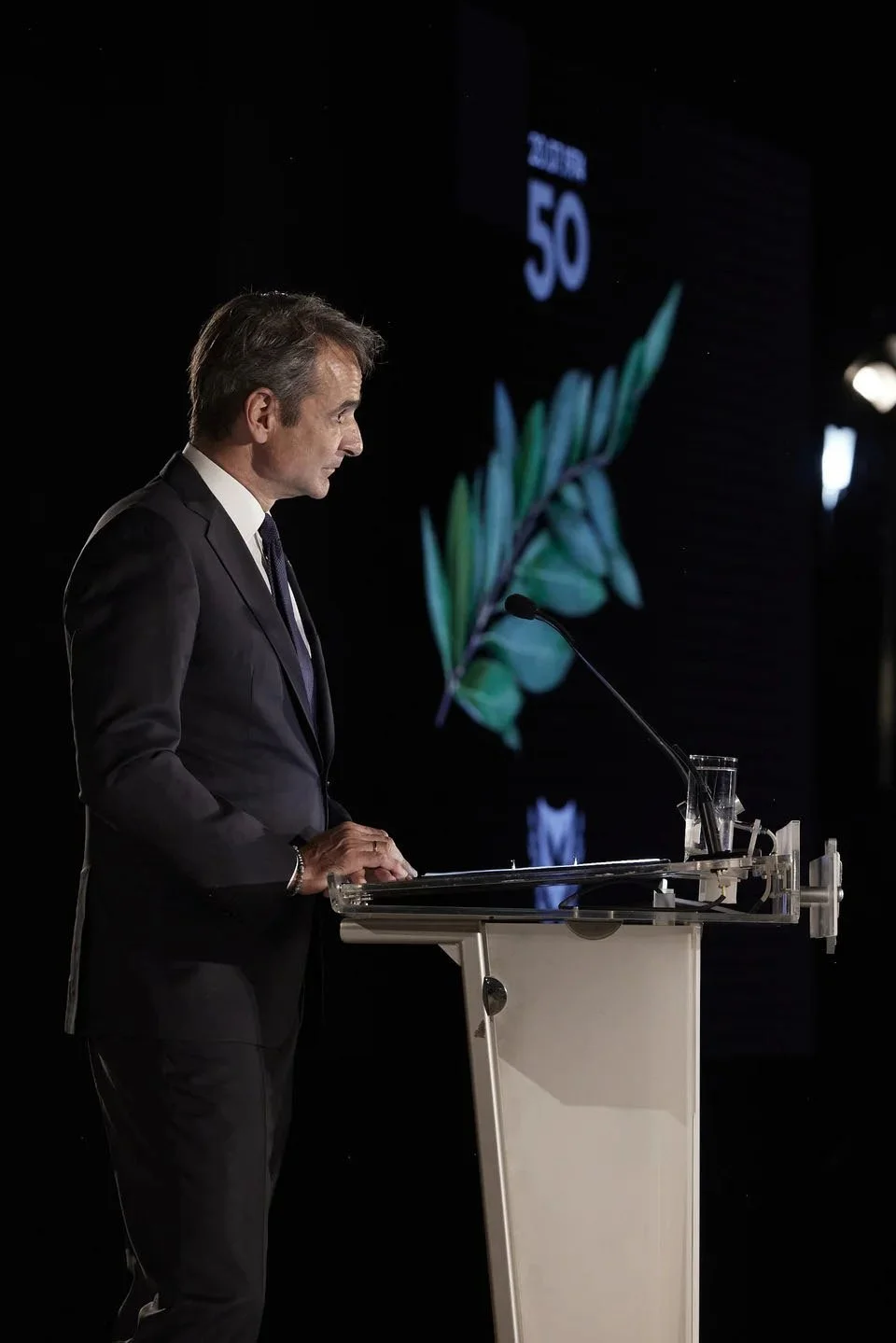
When the event ended, however, we left feeling much better. Because the political leadership of Greece and Cyprus, the intellectual world, and ordinary citizens were there, united. I saw political opponents standing together. I met and talked for hours with a person I consider a legend, Nikos Koshis. A politician who changed Cyprus with his work in difficult years. And who, whenever he enters the public dialogue today, will be realistic, practical, and always useful. In a substantial, tangible way. Not with easy words.
The President of Cyprus and the Prime Minister of Greece spoke with simple, beautiful, moving, and sincere words. They referenced history, poetry, culture, and life.
Then we sang softly, were moved, and managed anger, hatred, and despair, trying to turn it into hope. We made it art. A short and direct program.
We raised it slowly to the sky of Cyprus.
Having seen the celebrations on the opposite side earlier, I felt we were defeated in the 1974 war but winners in ethos and culture.
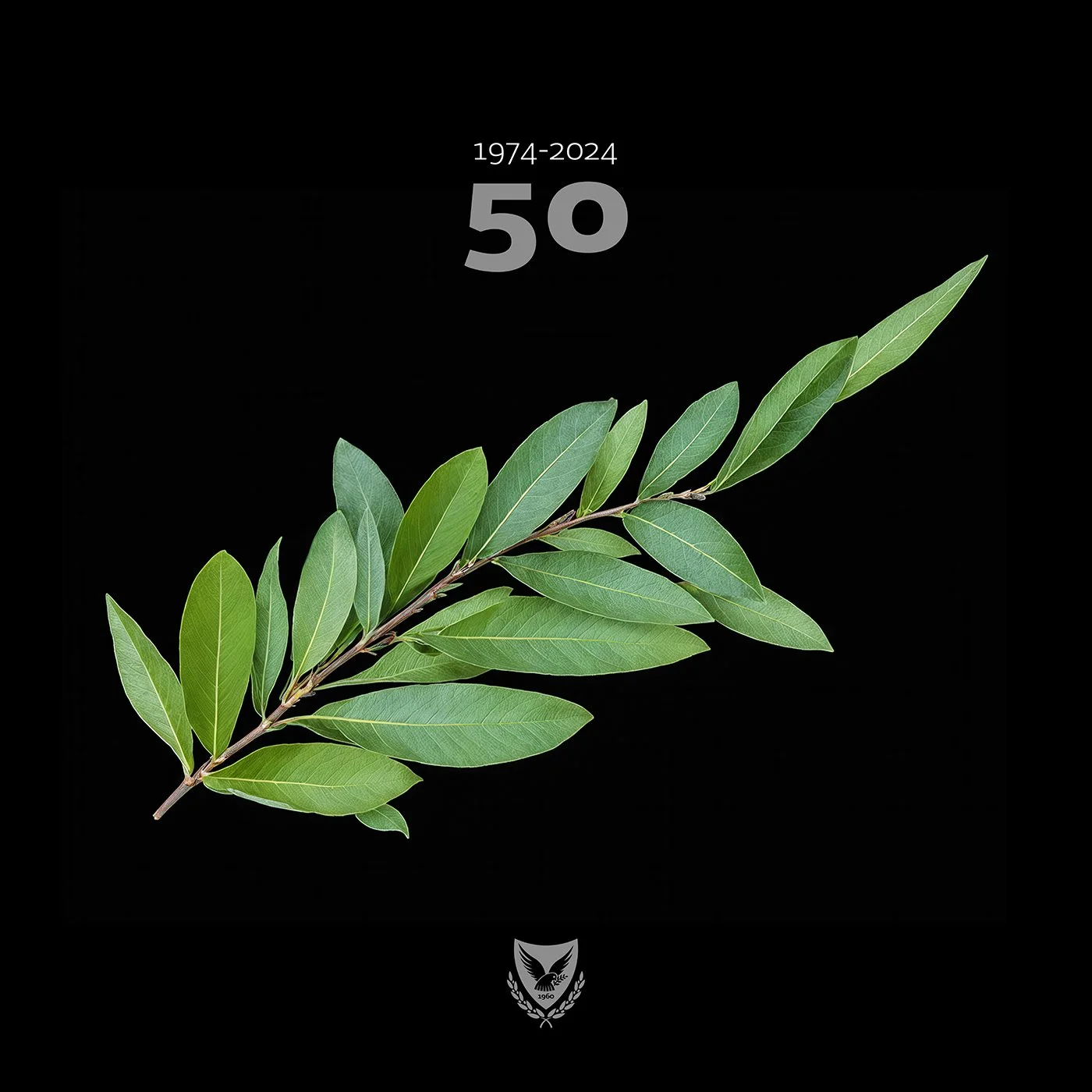
We've been managing a defeat for 50 years now. But the golden-green leaf bloomed again.
It protected its people, gave them shelter and food, and helped them prosper to an enviable level. Cypriot citizens are the 28th wealthiest citizens in the world, above countries like Italy or Japan.
We managed not just to clothe ourselves and find shelter, but to prosper, educate ourselves, progress, and conquer peaks.
We cultivated from the green line and the most barren places. We built schools, hospitals, and universities. We achieved so much.
The tragedy always hurts. But life also makes "girls laugh, and boys get drunk." And not only that.
Our victories are small and daily battles.
This project is the most important I've ever done: the most difficult, the most expensive, the most priceless.
I hope it spoke to the hearts of those who need it most.
For me, it's my Cyprus, the whole leaf.
Charis Tsevis, Paphos 21.07.2024