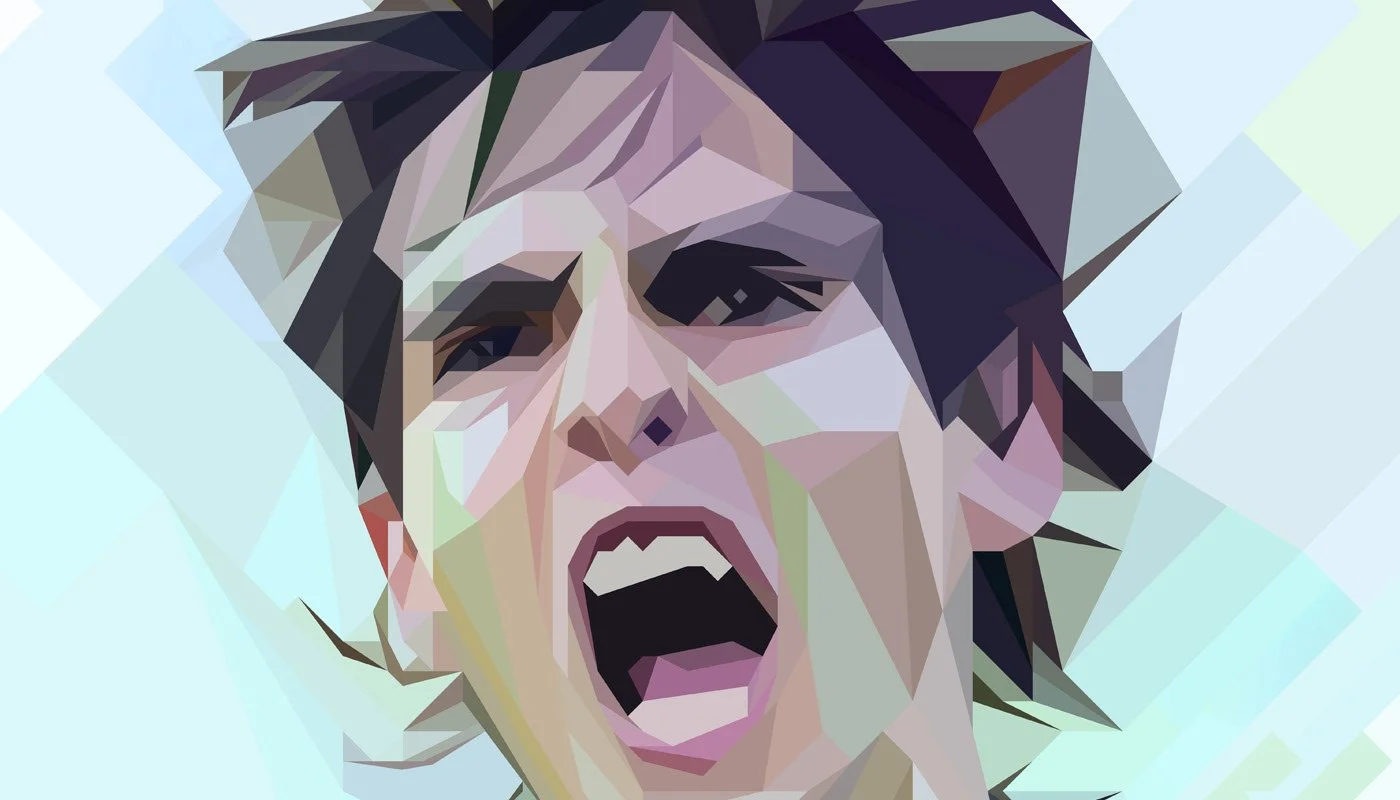
For the love of the game...
Experimental illustrations based on Gestalt psychology principles and specific art movements like Futurism, Cubism, and Op Art.
For the love of the game (Neo-Futurist artworks)
I studied visual design in Milan, the capital of Futurism, so this movement has influenced me more than any other. What has always fascinated me about Futurism is that it was more of a political than an artistic movement. Marinetti and his ...gang held strong ideas and beliefs about social organization, the importance of technology, the role of the human being, and a very specific position on the mission of artists in our society. As someone who loves technology, I couldn't feel more aligned with any movement than Futurism. For me, the futurists' ideas on beauty, technology, and art were among the most interesting ever expressed. Obviously, there were many cons in the movement. The ideas of the futurists about women were obscure, and some of these guys had collaborated with the fascists. Despite all these controversies, Futurism still fascinates me. Futurism was revolutionary, and I know the sad truth that most revolutions, as necessary as they are, can also lead to crimes and problems. But keeping the great ideas of a revolutionary movement is something I find really useful and productive. And there are so many great ideas in Futurism.
Futurists love cubism. All these efforts of the cubists to describe a subject as an experience in space and time were probably the most important artistic idea of the last century. Then the Futurists were always using subjects related to motion. The aeropittura series, a sub-category of Futurism, is full of images of airplanes and sky elements. Balla and Severini loved the motion of people protesting, dancing, or cycling. No other movement paid more attention to motion than Futurism. No other movement tried to describe the idea of motion and speed so carefully and so expressively.
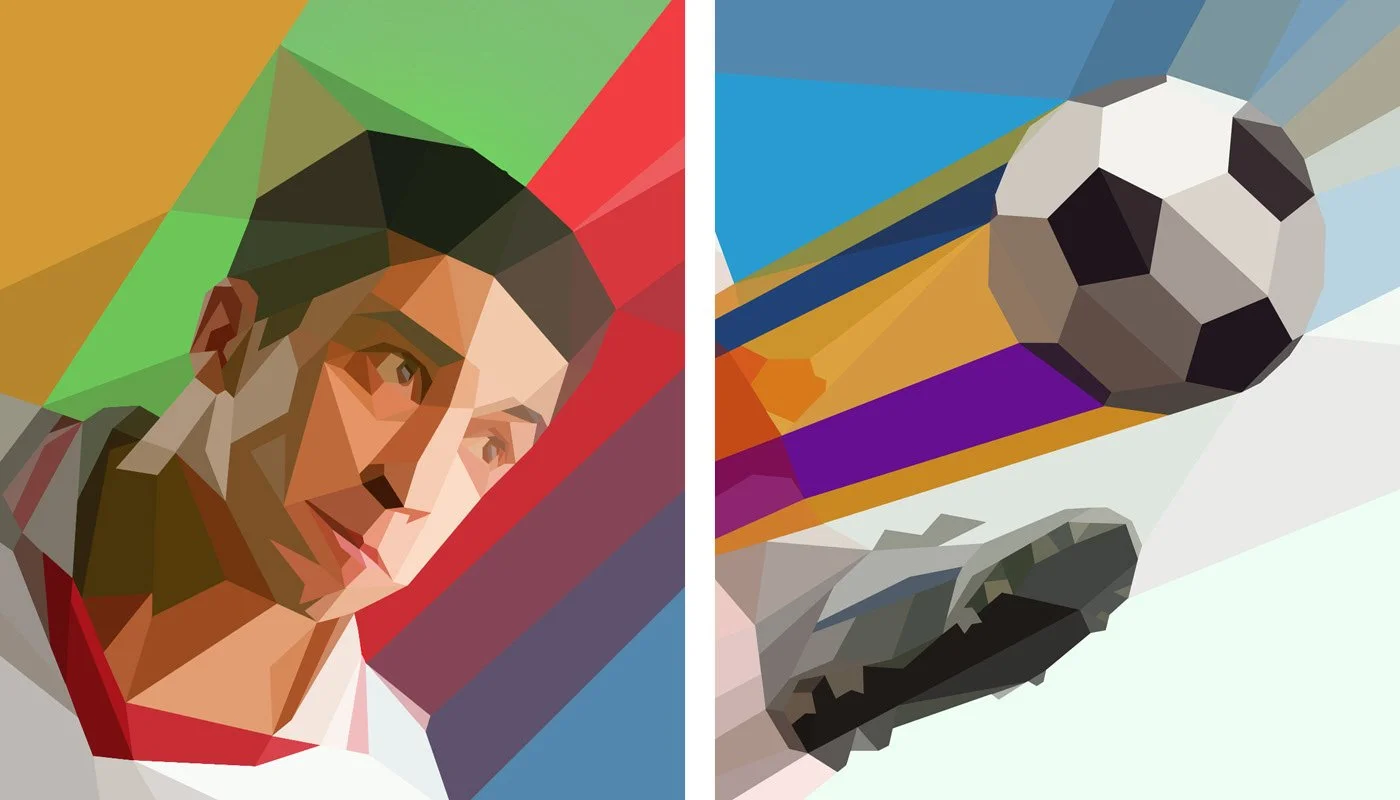
In this page, you can find some older neofuturistic studies of mine. I have chosen sport-related subjects just to be close to the idea of the human being as a perfect machine, capable of doing so many great things. I am using many of the ideas my professors in Milan taught me. Most of them belonged to a post-futuristic movement called M.A.C. (Movimento Arte Concreta). One of them, Nino Di Salvatore, founder of the Scuola Politecnica di Design, the first Italian school of design, had created his so-called "Theory of Space in Gestalt Psychology" (Teoria dello Spazio Gestaltico). In this theory, he sought to explain how an artist can create the perception of the third and fourth dimensions in a two-dimensional artwork.
Some of these works have been used in commercial design and advertising projects, but my main goal in creating them was to find new ways of expression that follow basic futurist ideas.
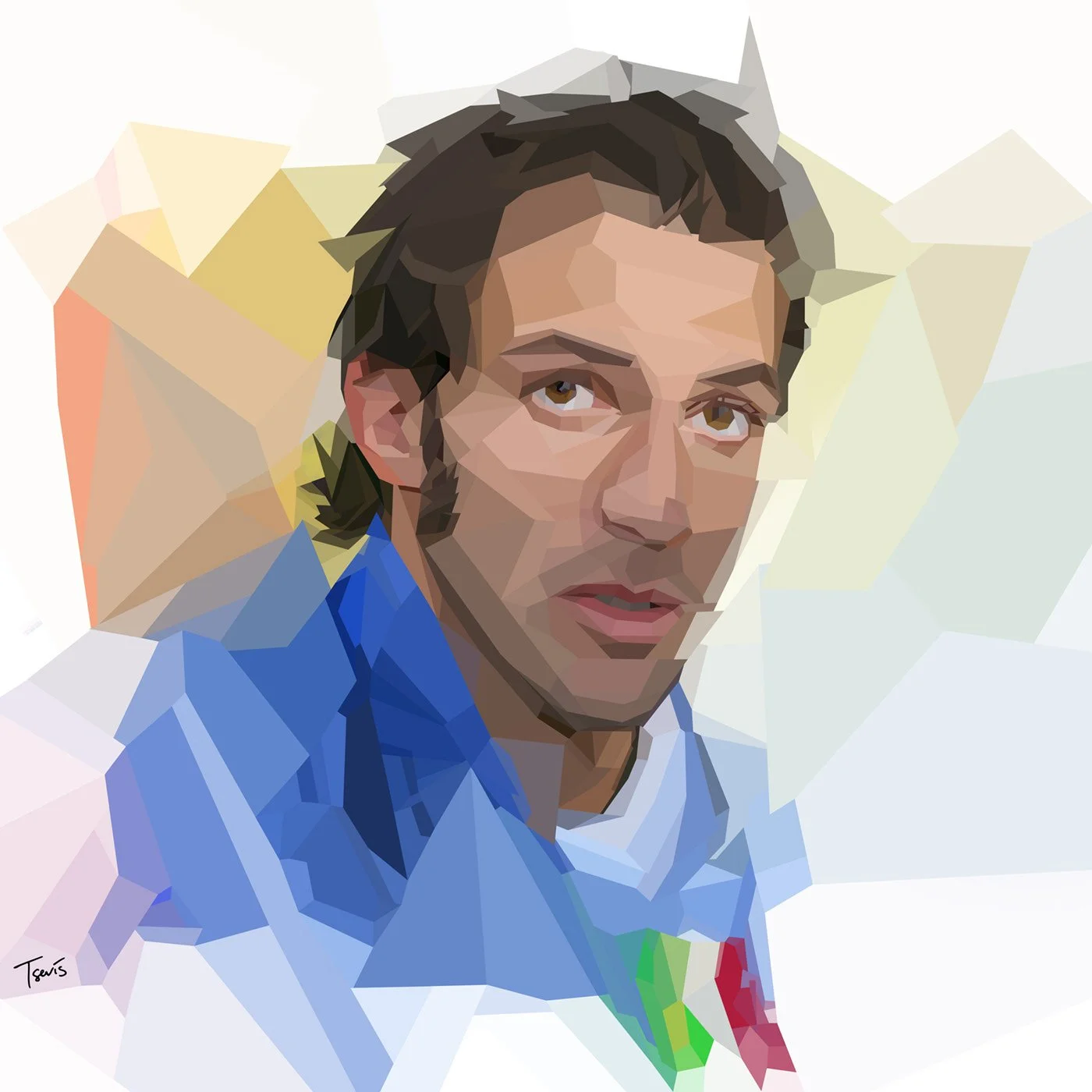
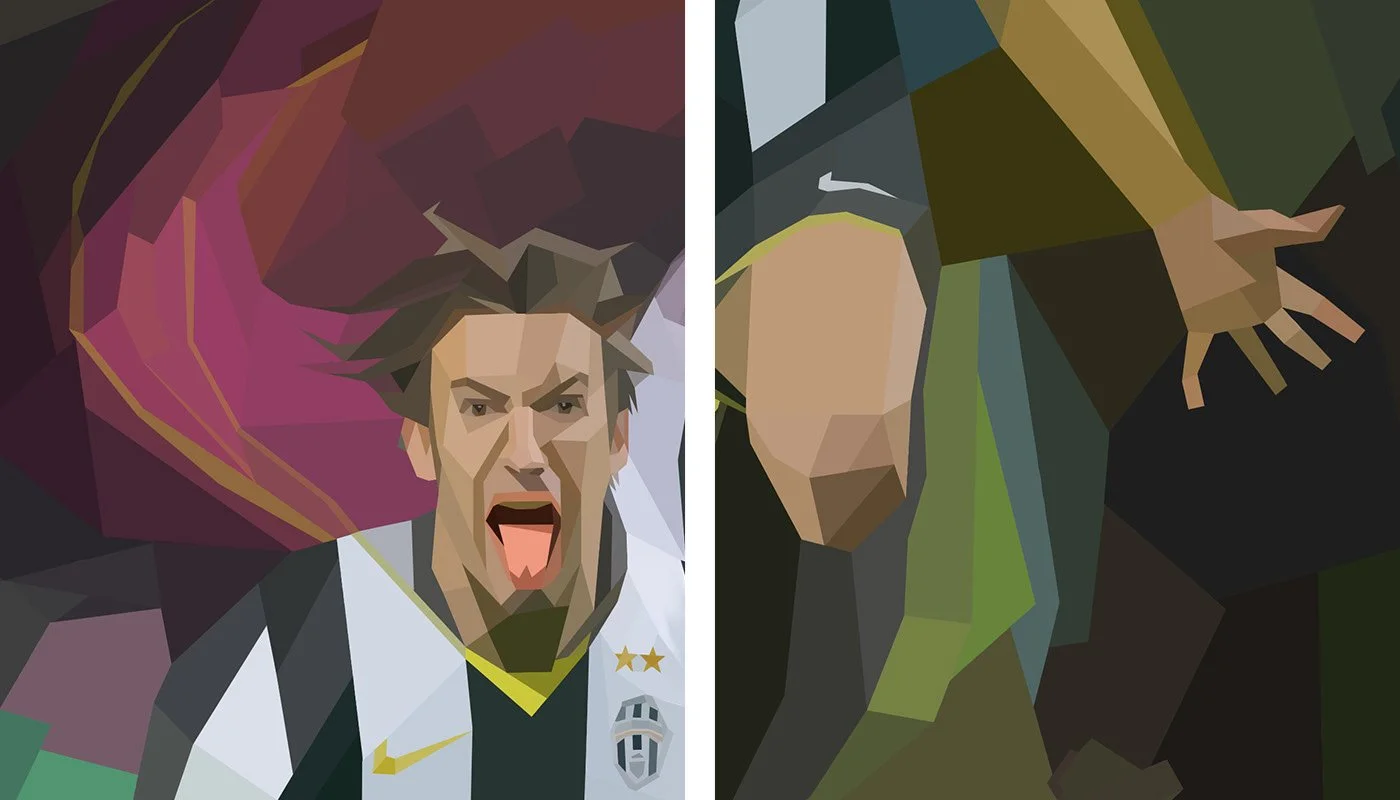
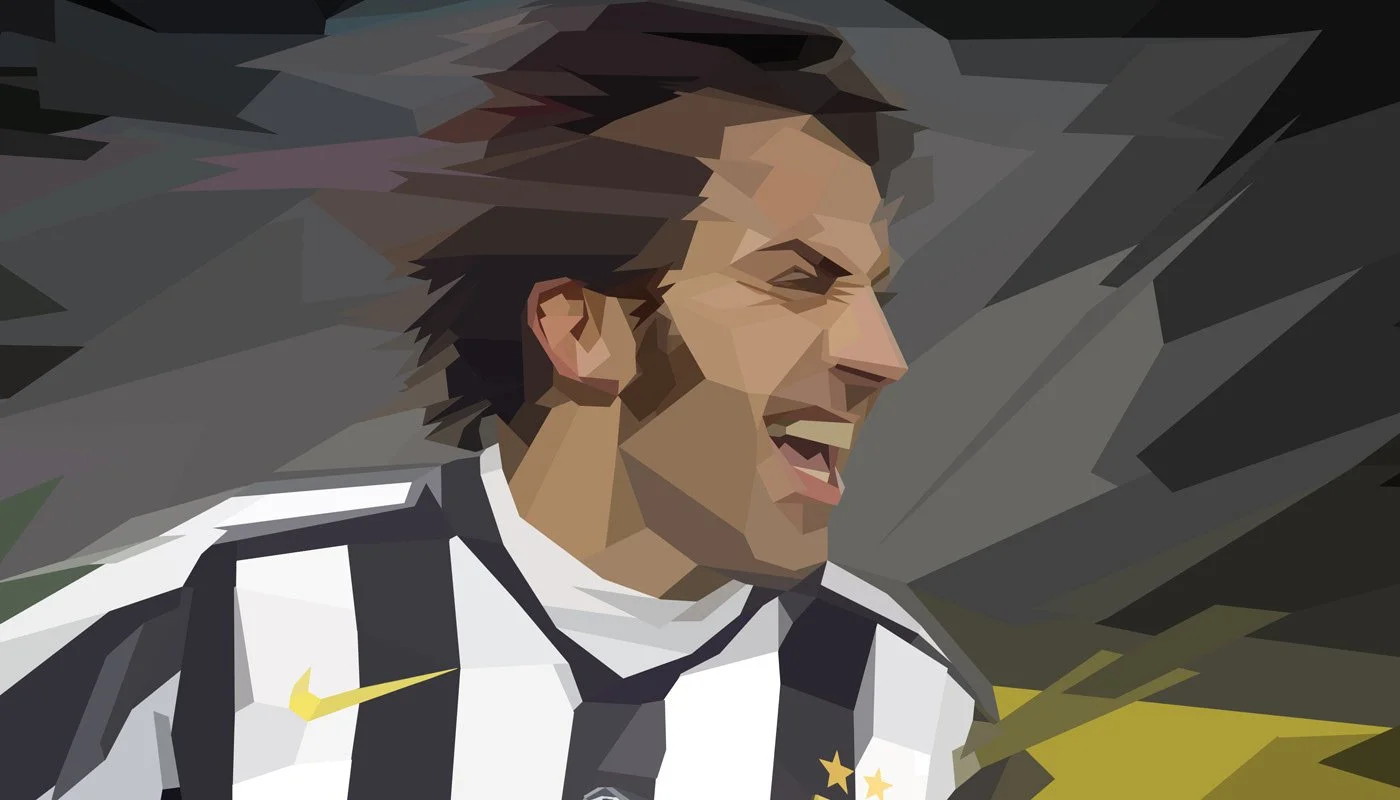
"Alessandro Del Piero: Il Mito"
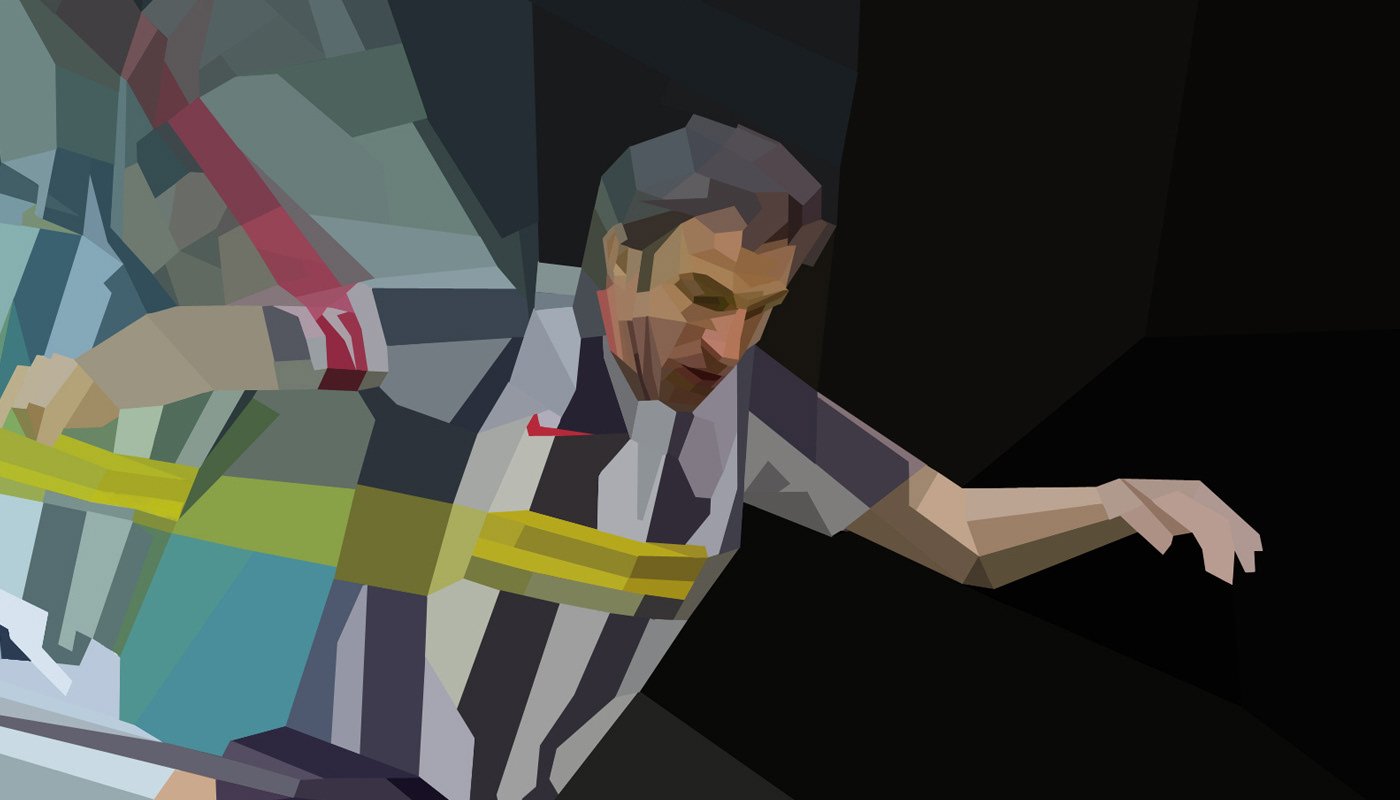
Starting with one of my favorite sports personalities of all time, the great Alessandro (Alex) Del Piero. This is a series of artworks created in 2008-2009.
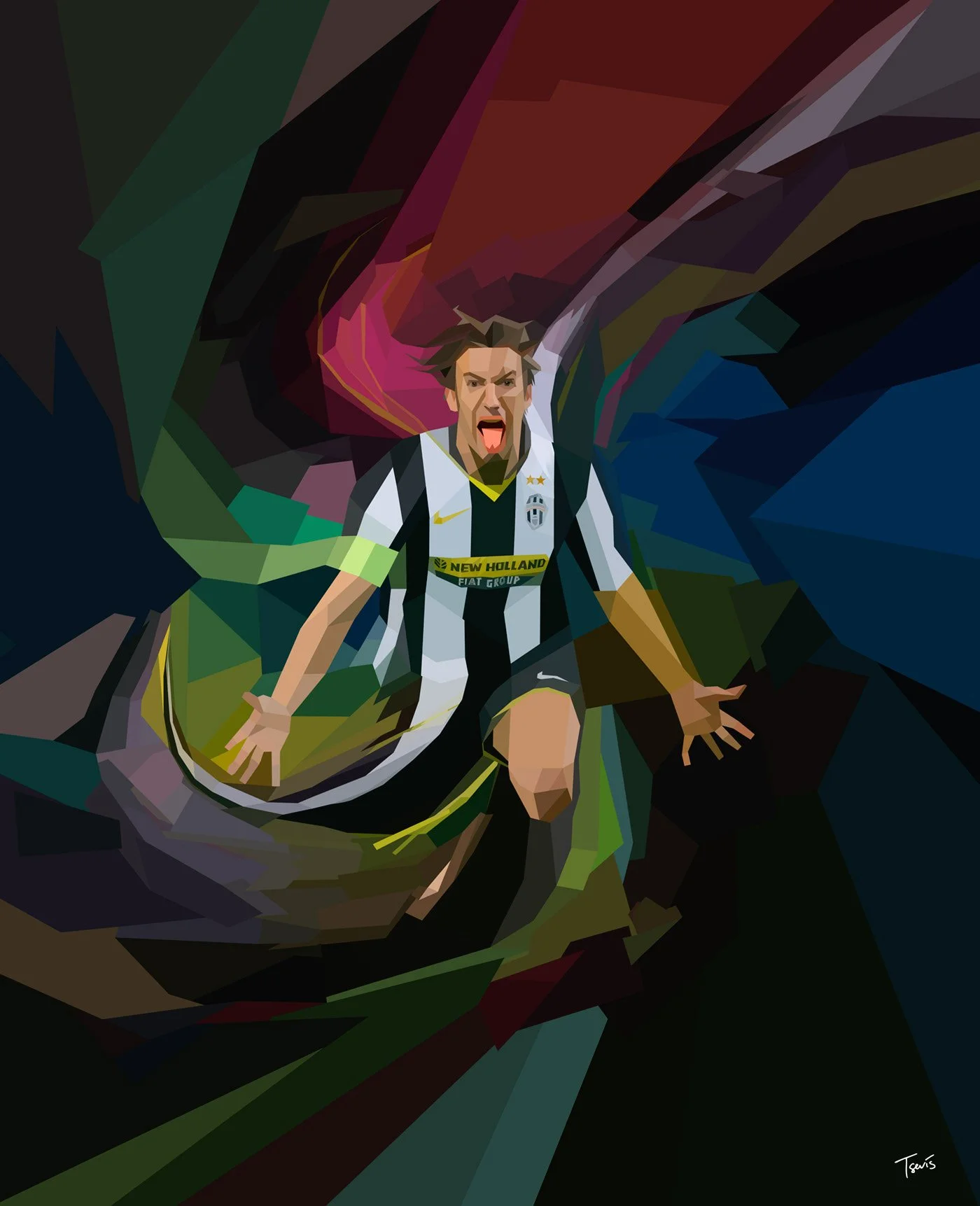
A Soccer Legend Series
"Alessandro Del Piero: A Soccer Legend 1"
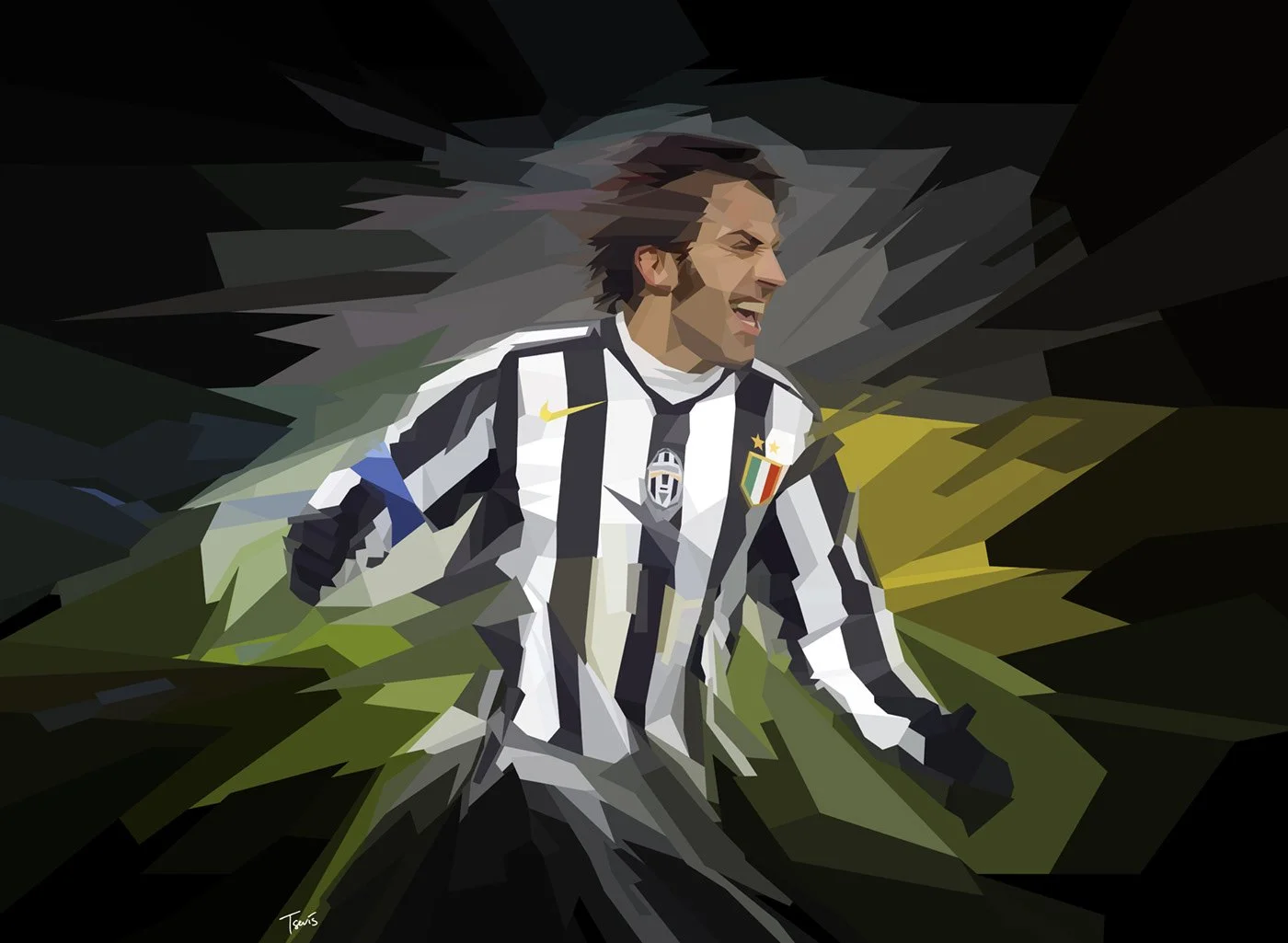
"Alessandro Del Piero: A Soccer Legend 2"
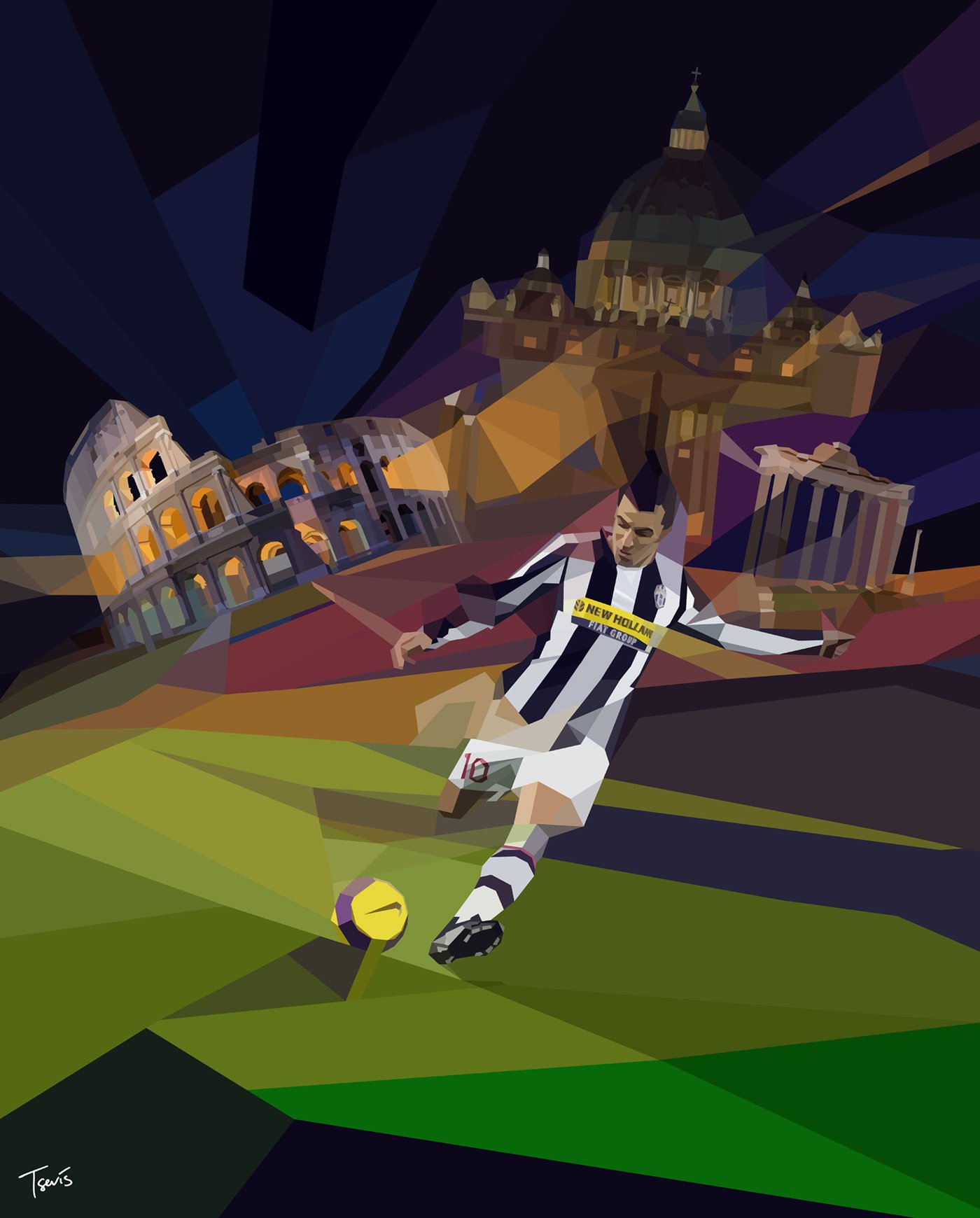
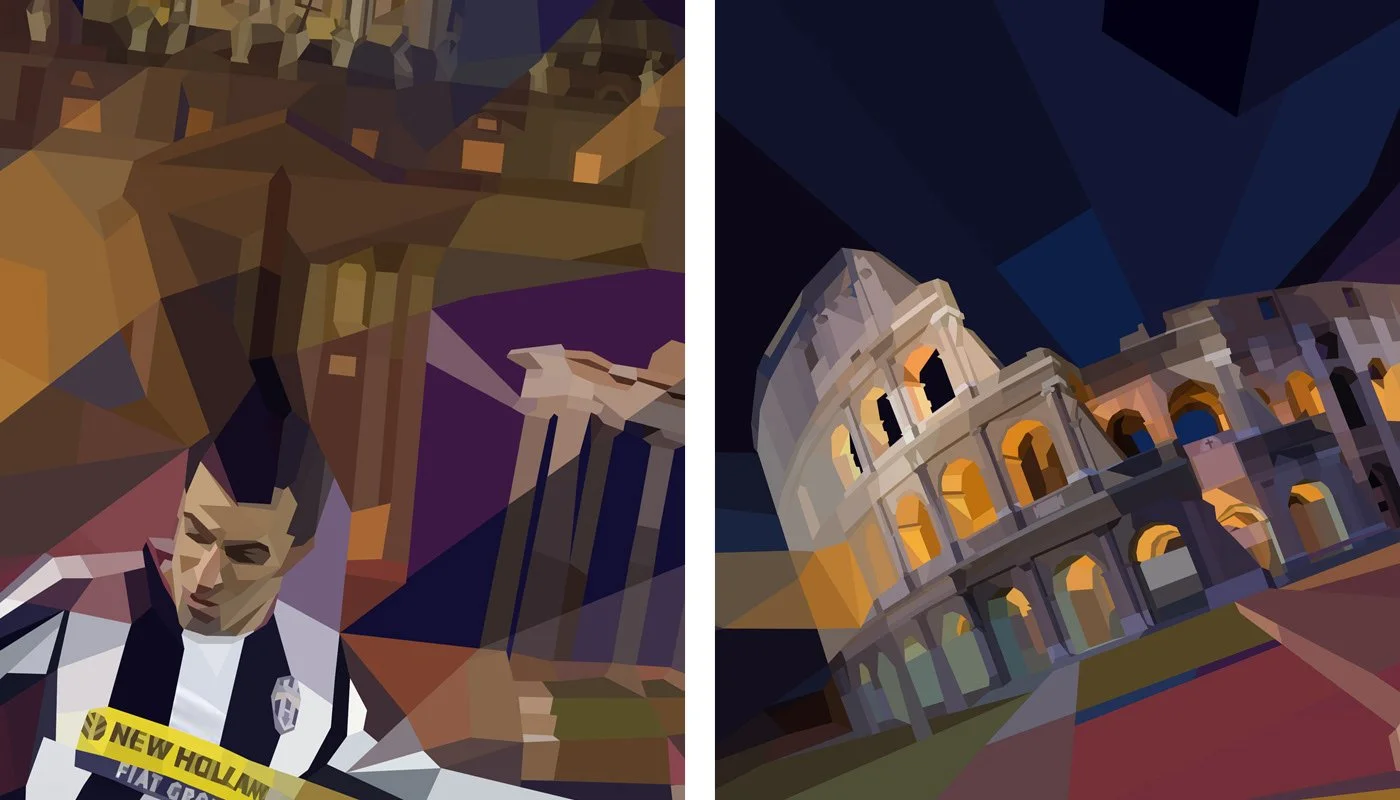
"Alessandro Del Piero: A Soccer Legend 3"
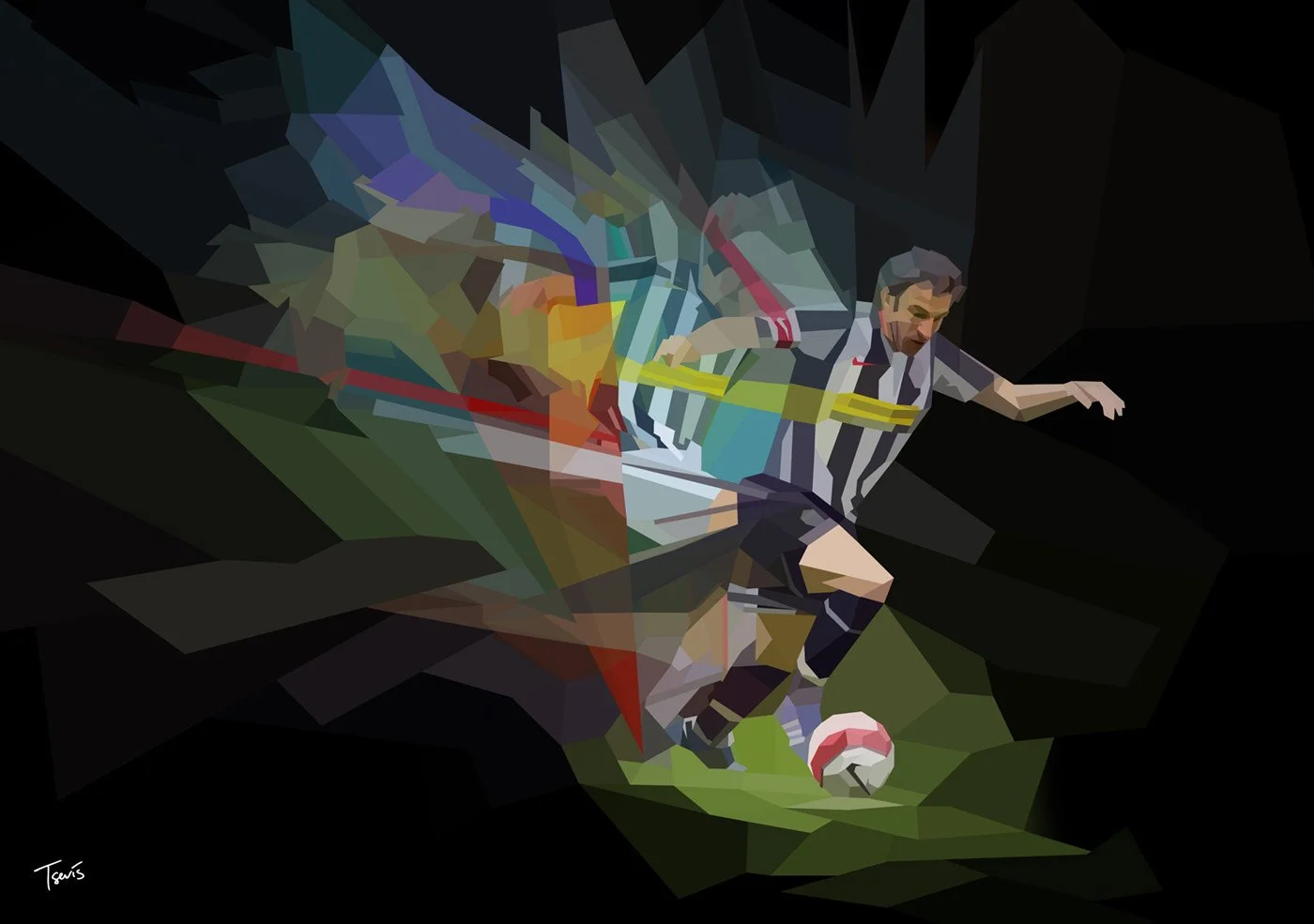
"Alessandro Del Piero: A Soccer Legend 4"
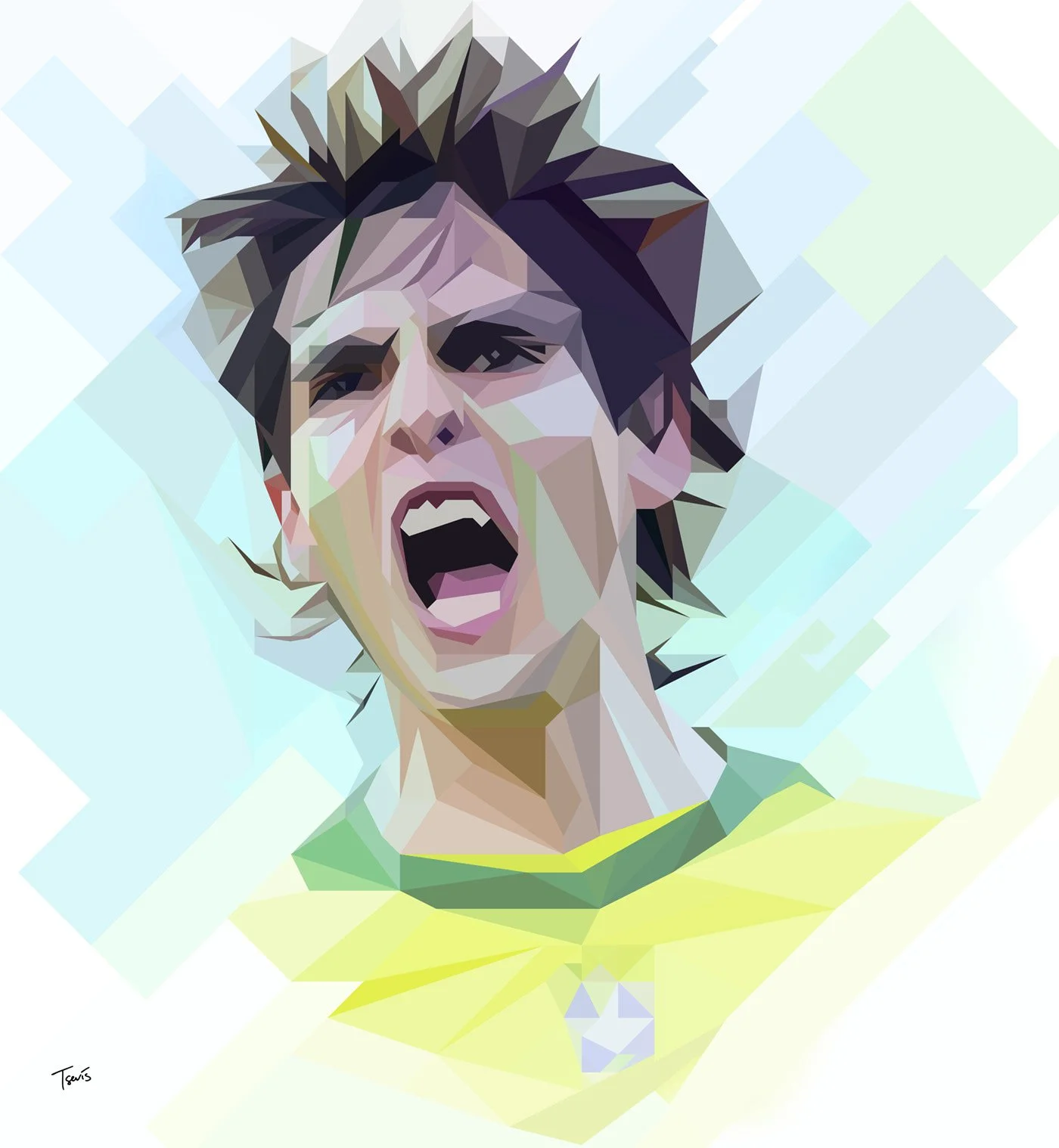
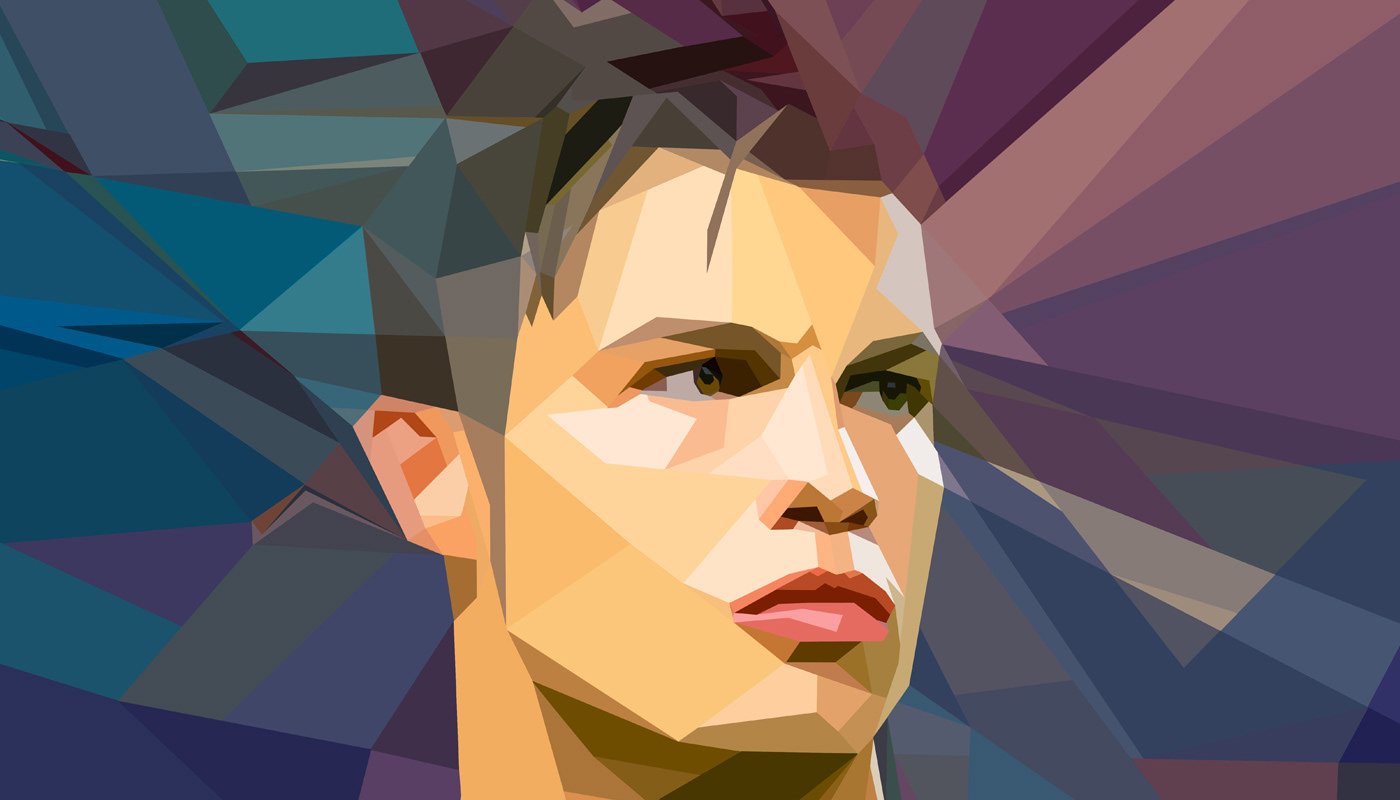
"Kaká: He belongs to Football!"
Another incredible football guy. A great character and role-model.
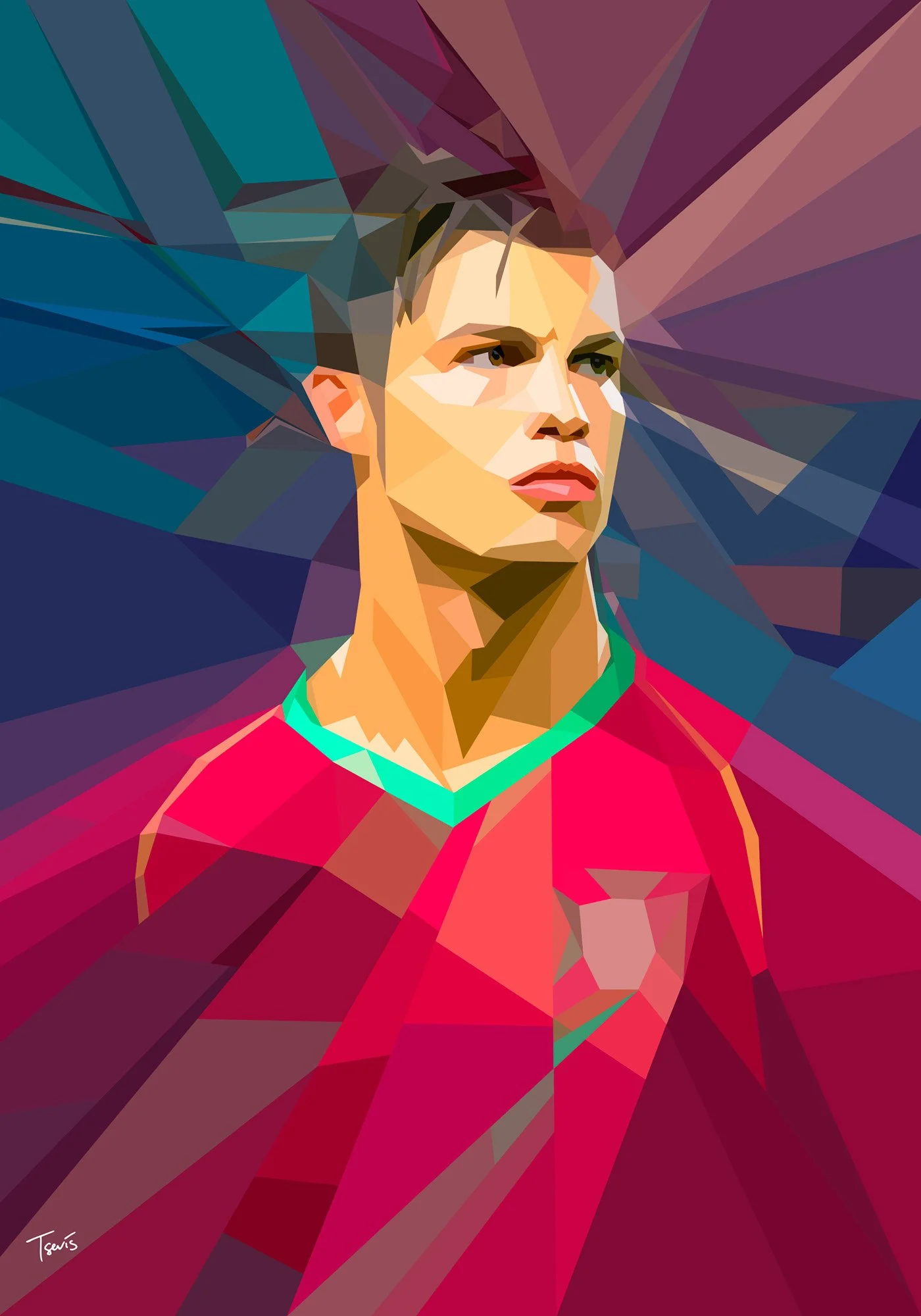
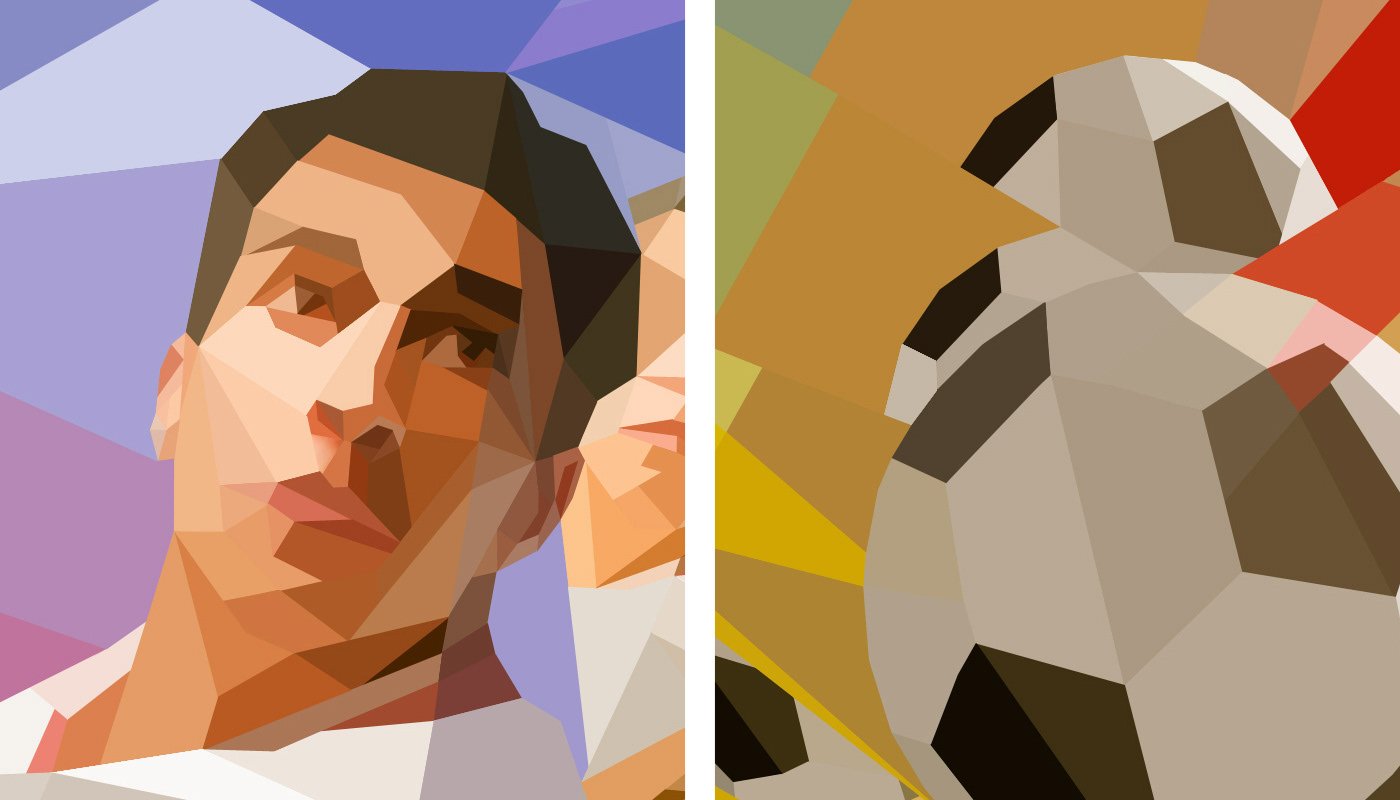
"Cristiano Ronaldo: Portugal 2010"
Cristiano is one of my favorite portrait subjects. I have created several portraits of him for different occasions. Here is one of the first I had created.
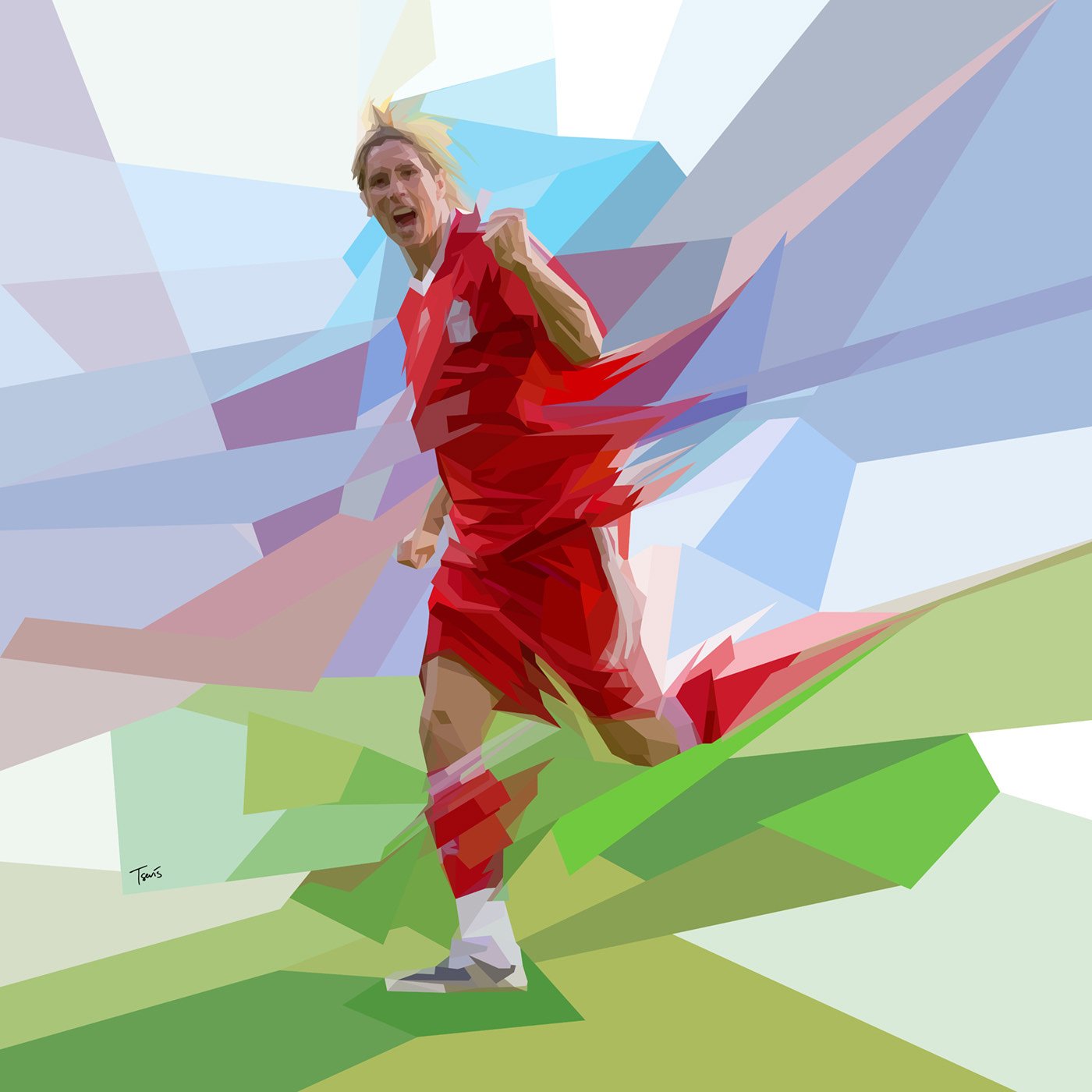
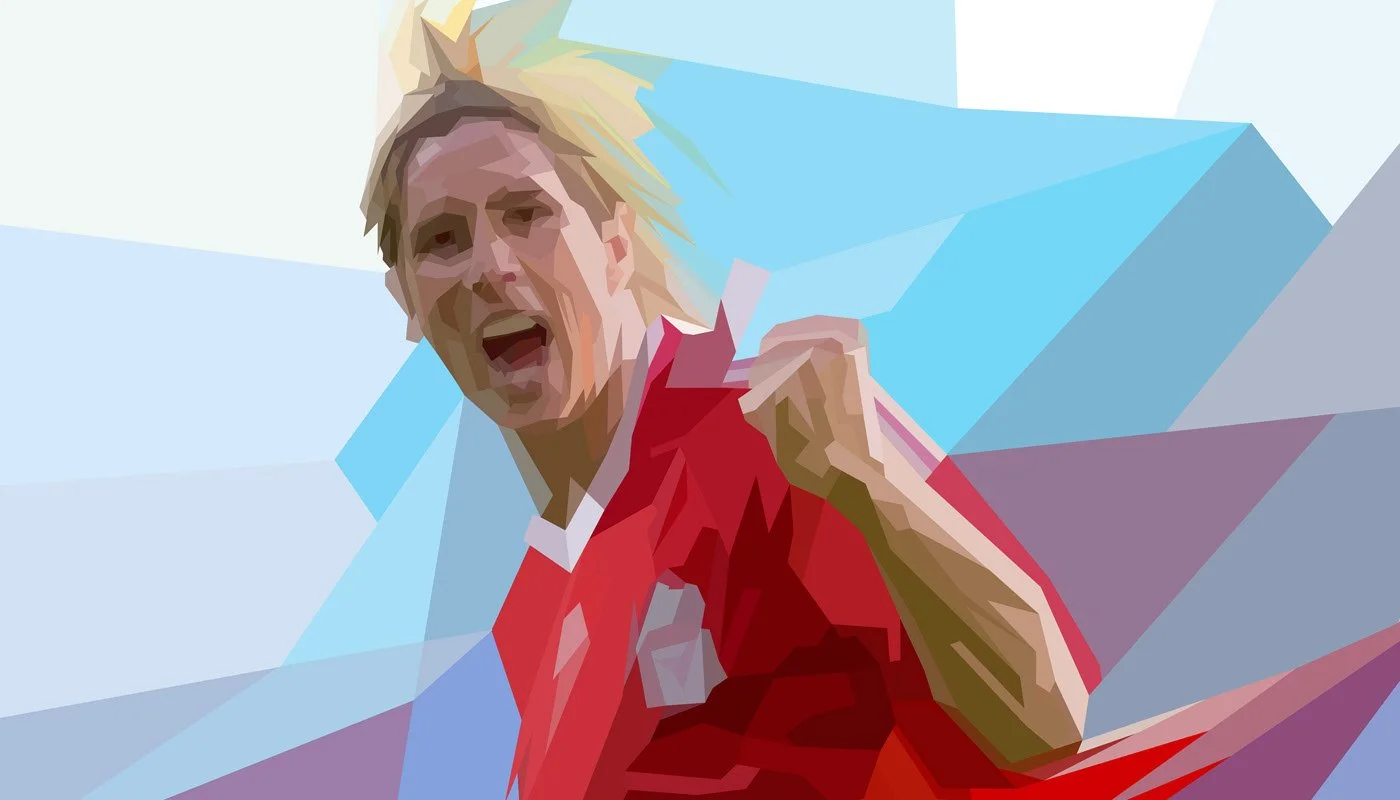
"Fernando Torres: Liverpool 2009-2010"
Here's Fernando Torres, a great Spanish footballer.
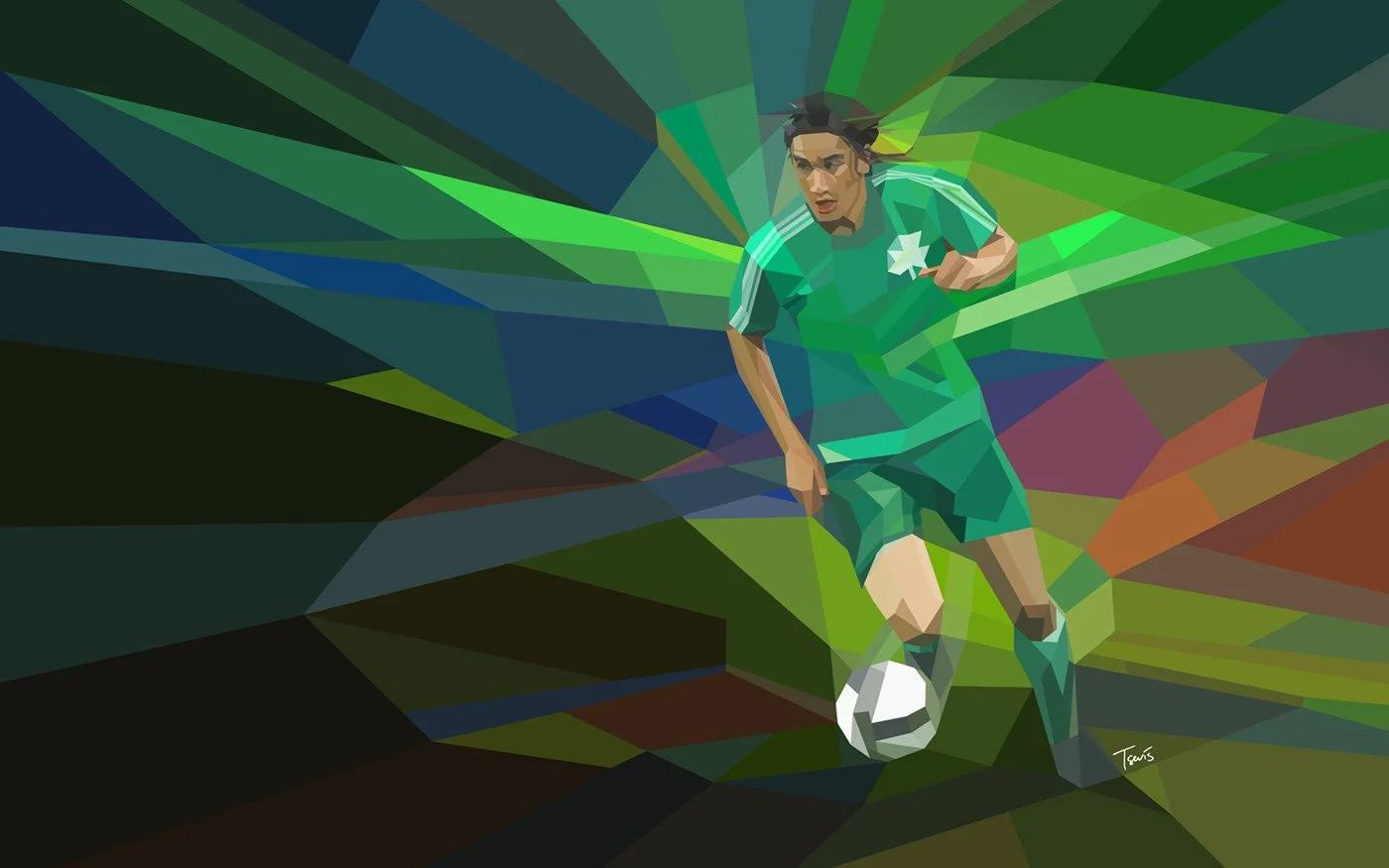
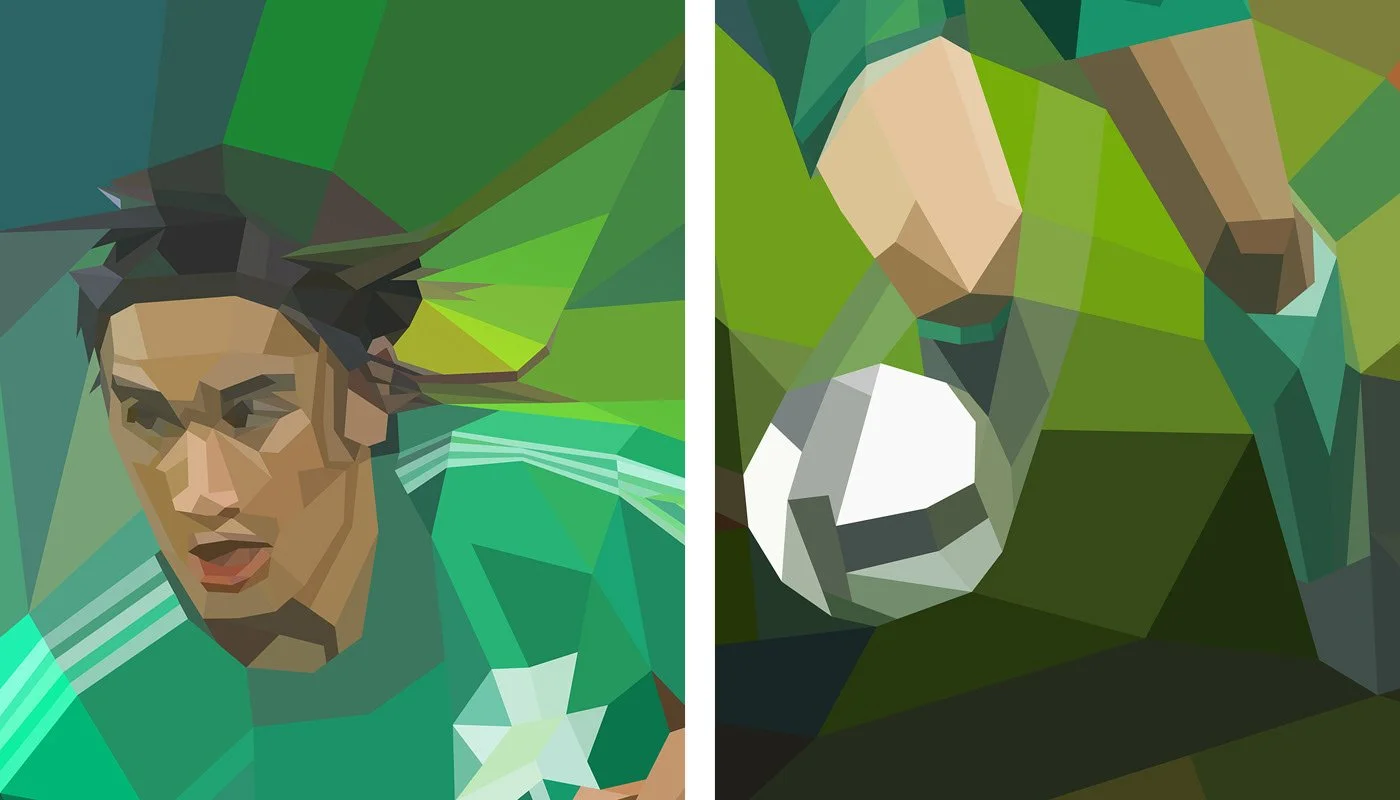
"Sebastian Leto: Panathinaikos 2009-2012..."
Sebastian Leto was one of my favorite players for my birthplace club, Panathinaikos FC.
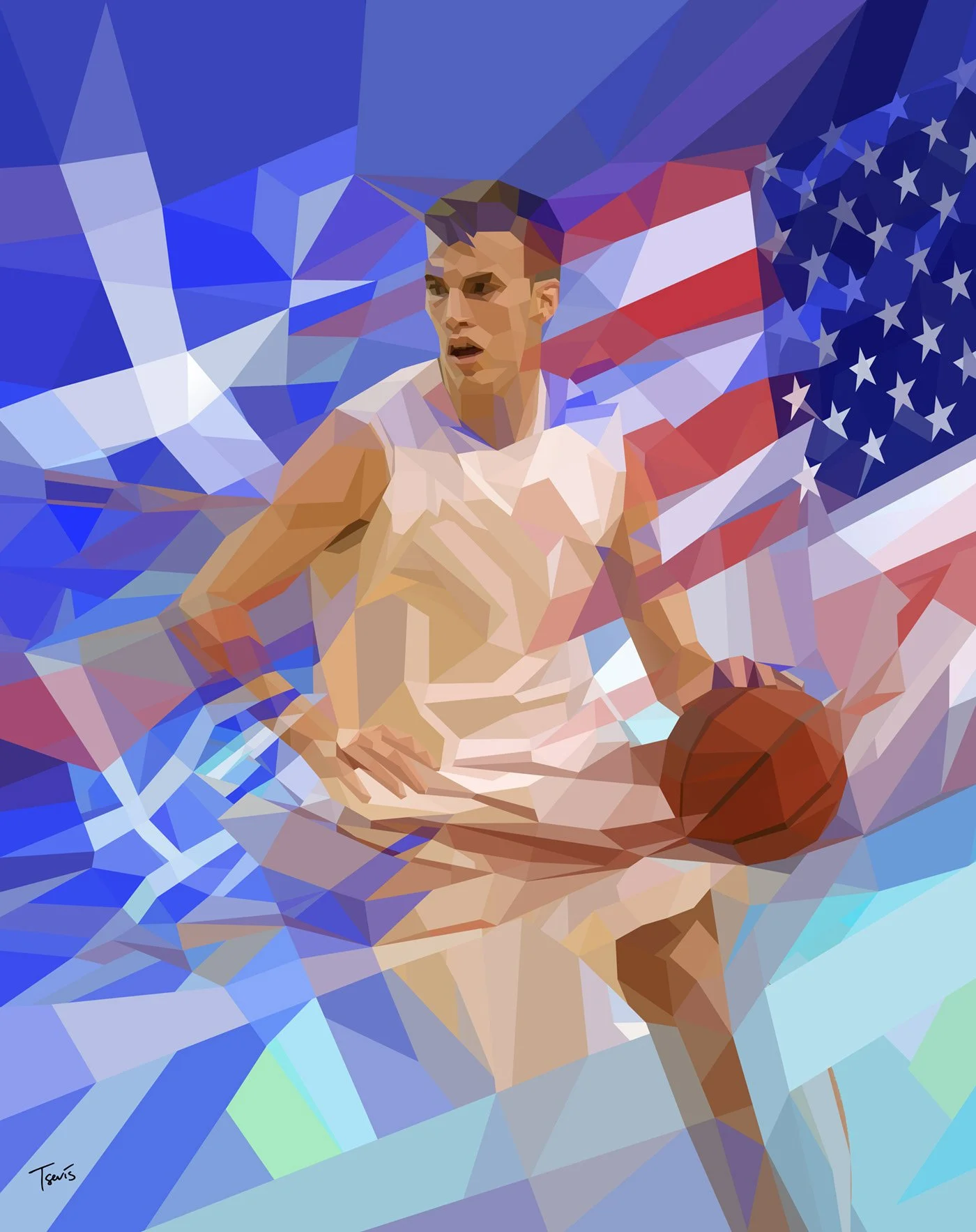
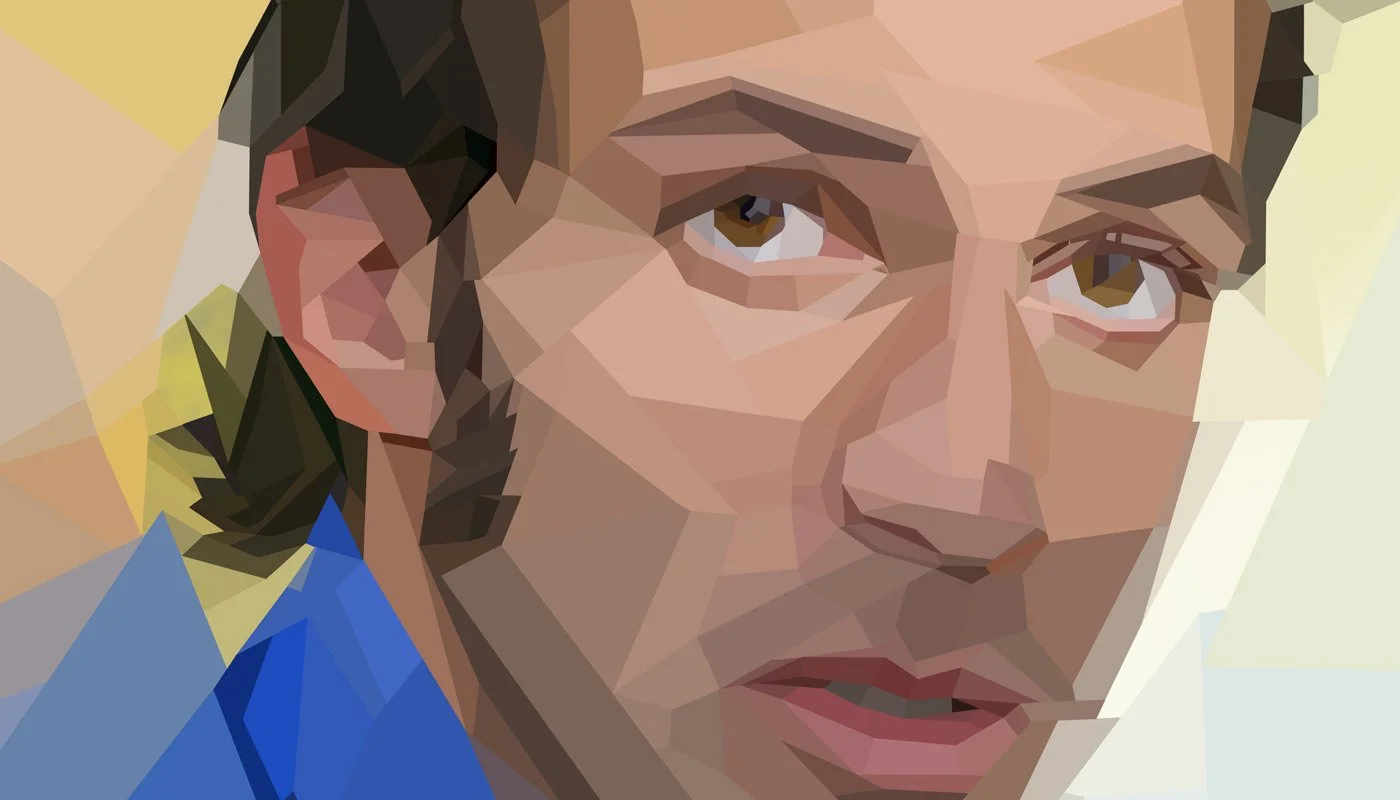
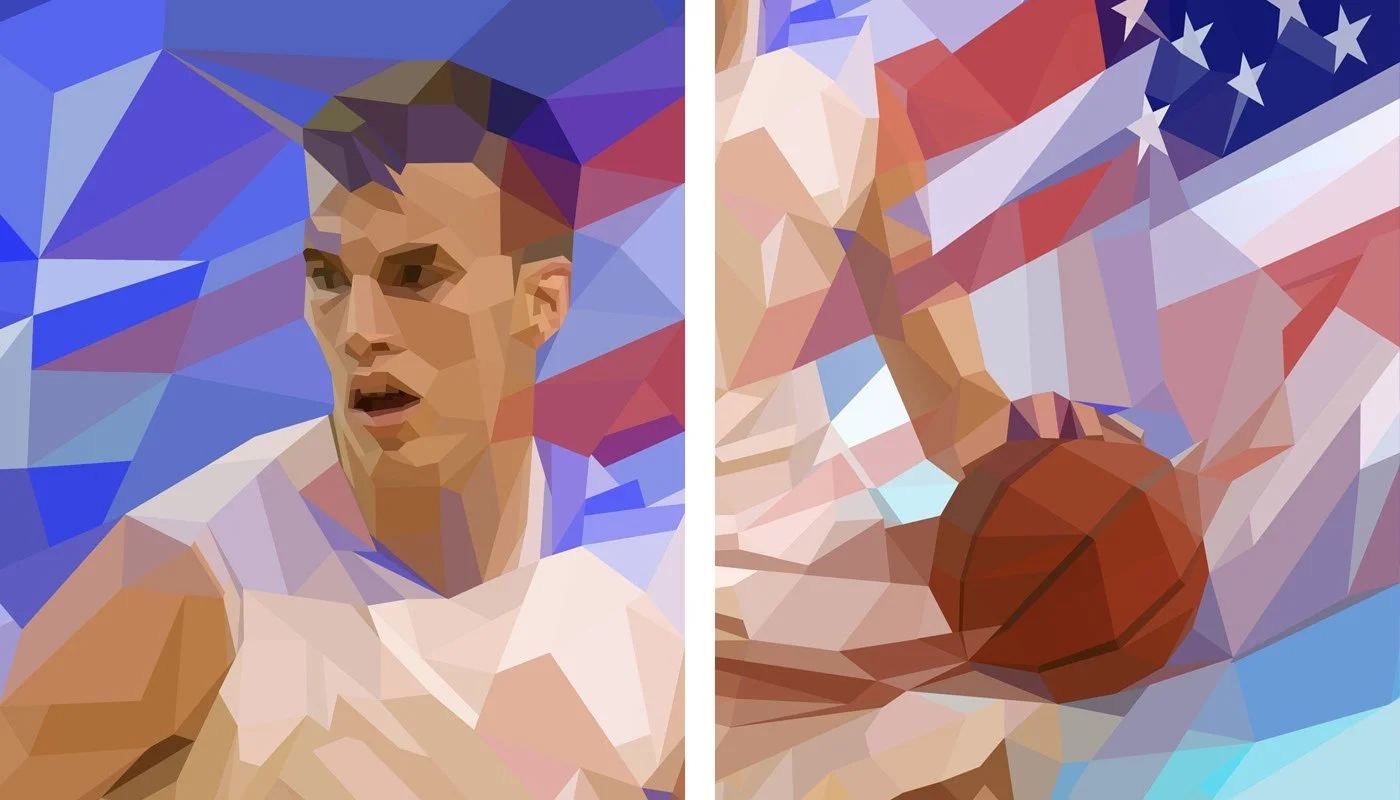
"Nick Calathes: The Greek American basketball hero"
Nick Calathes is a Greek American guy who also plays for my beloved Panathinaikos team in Greece.
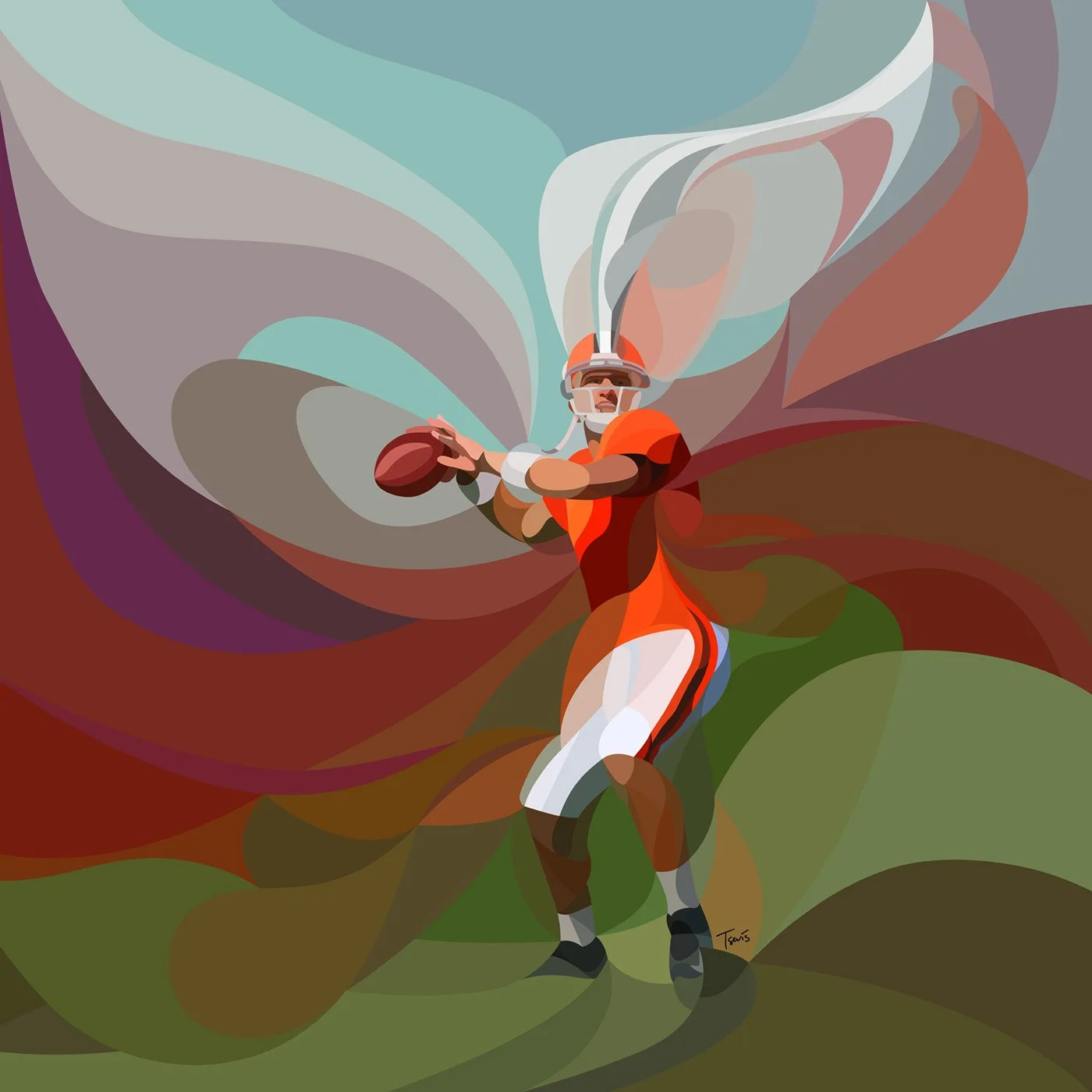
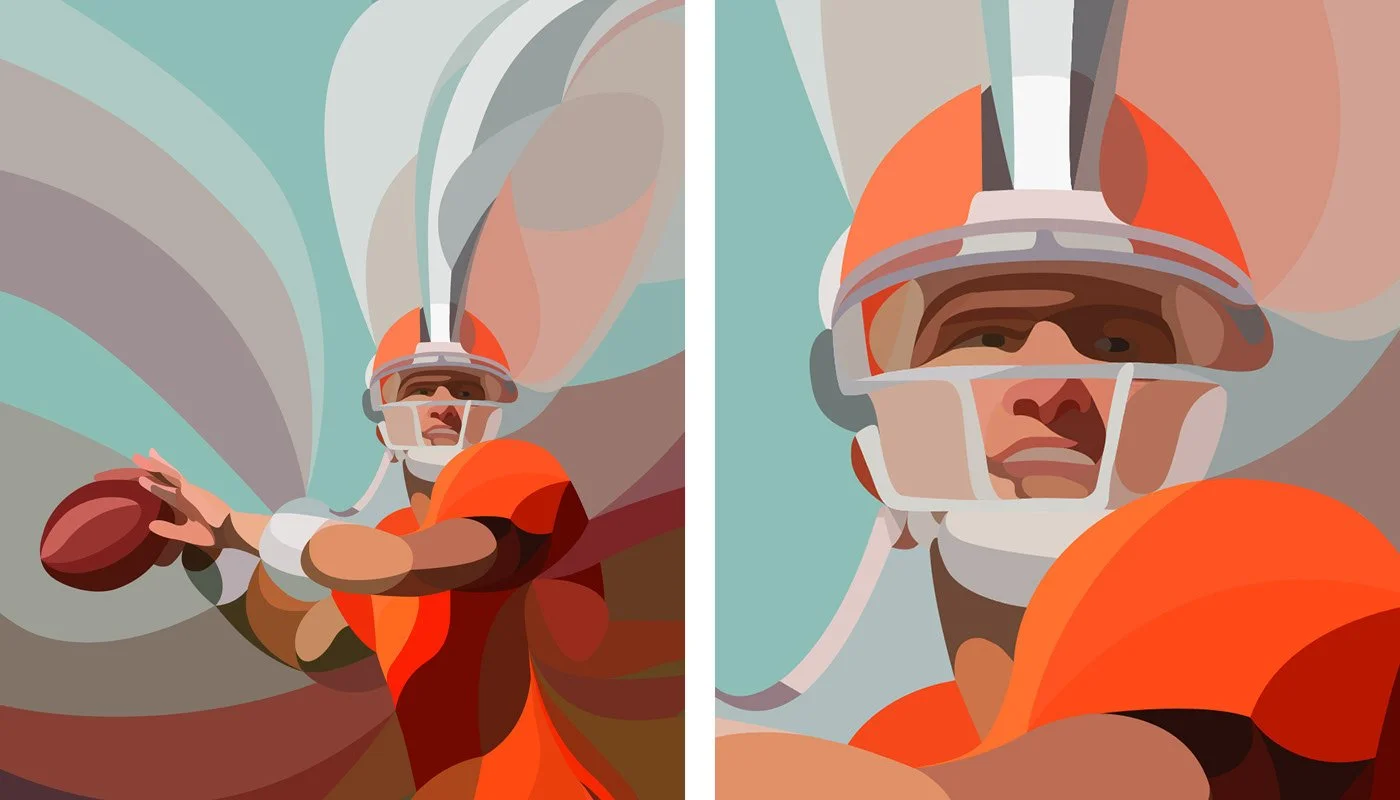
"Play ball!"
Experimenting with more curvy spaces and forms.
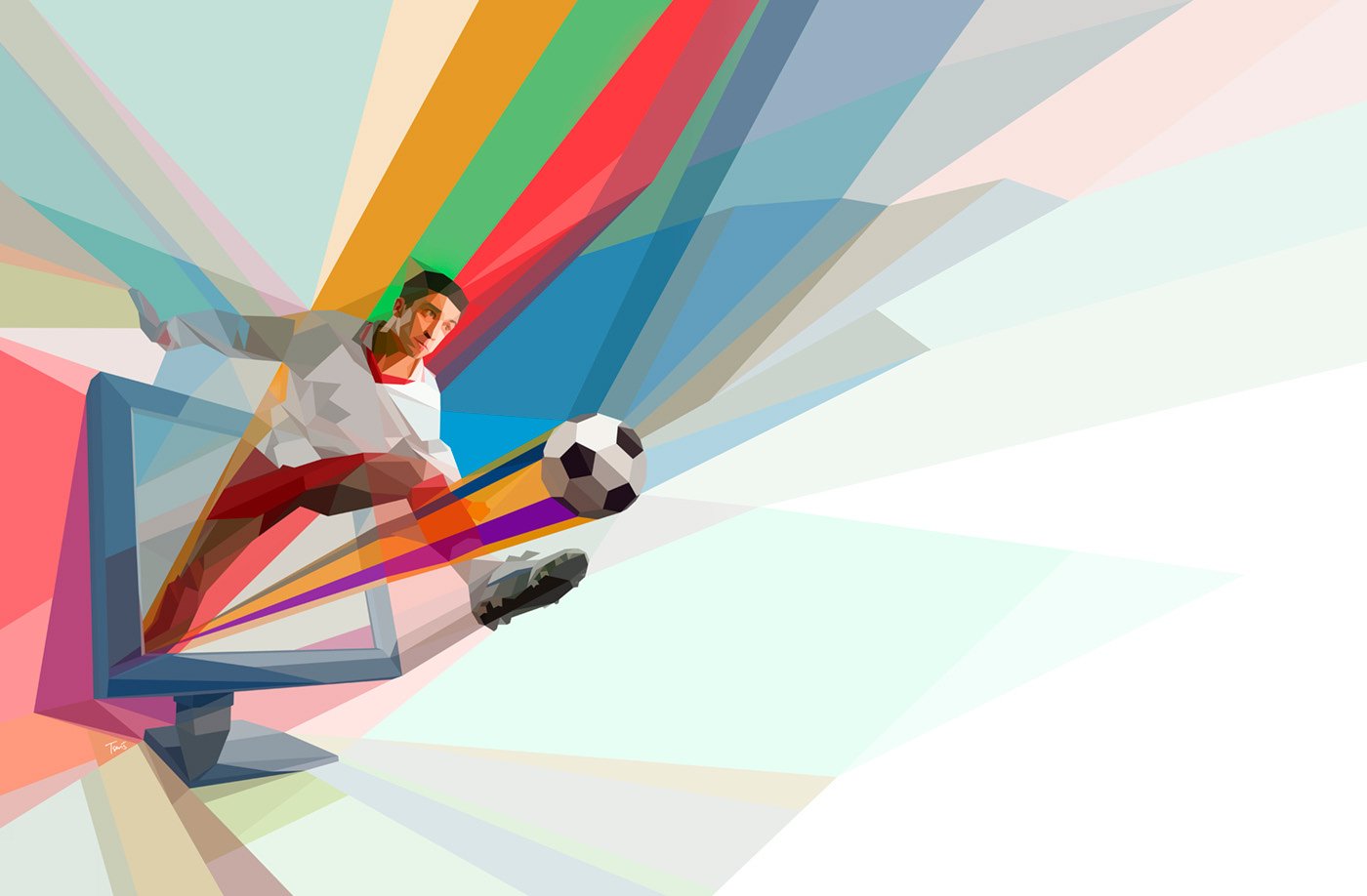
"Sports love big screens"
This is an illustration created for an article about large monitors in RAM, a Greek computer magazine.
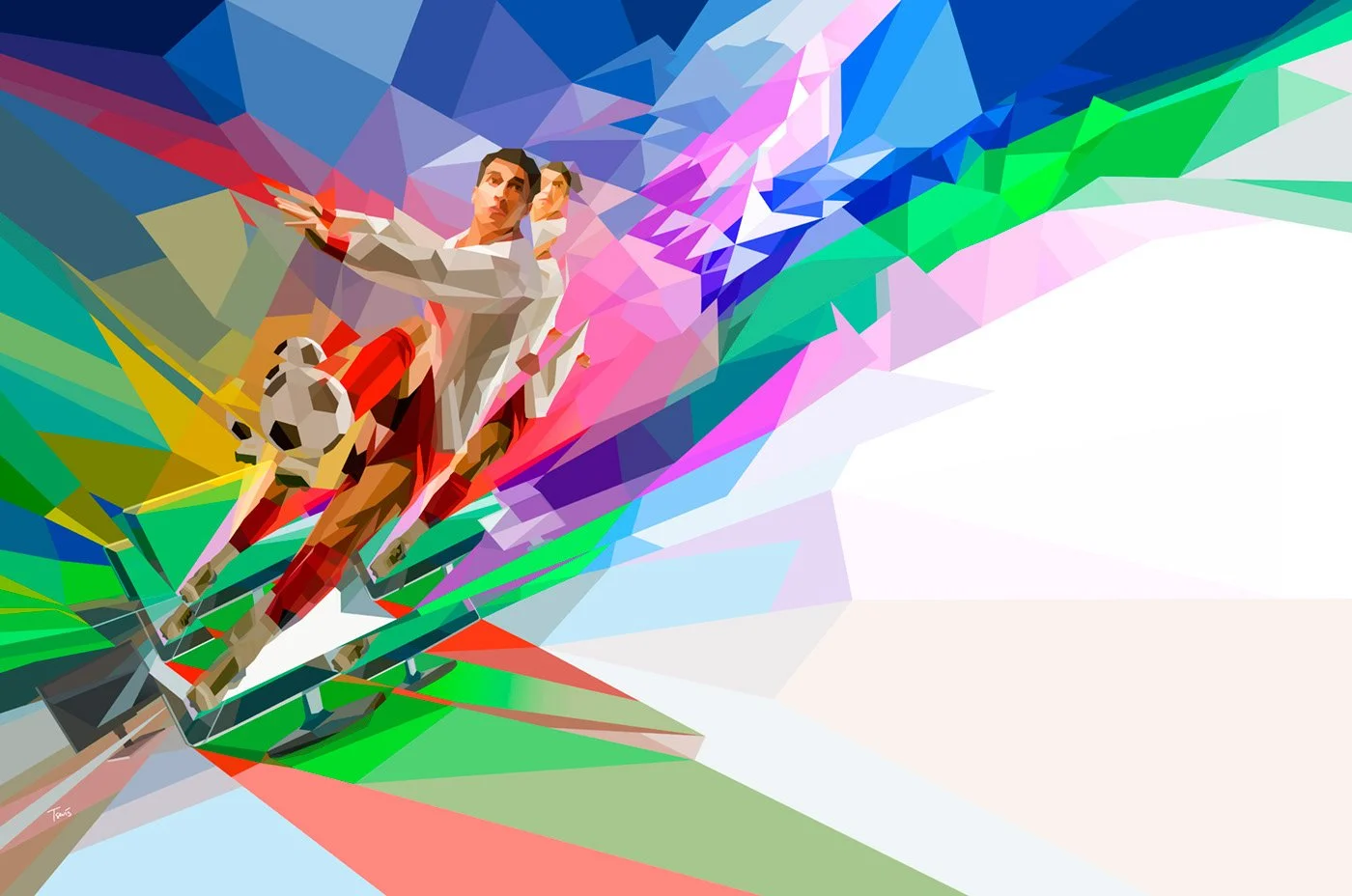
"Sports love big screens (2)"
Standout mosaic details worth a closer look: